

Massachusetts school teachers were irritated over the summer when their school districts informed them that, although students would stay home and all instruction would occur remotely, the teachers were expected to come to school.
Some, of course, claimed that being in the classroom alone exposed them to the coronavirus. (The virus, in certain teachers’ minds, is all-powerful.) Others, especially those with young children at home, objected to the pointlessness and the hassle of teaching in an empty classroom every day.
Recommended Stories


Come spring, the tables (well, desks) will be turned. In some school districts, when the students return to the classroom in the coming weeks, the teachers will all be at home.
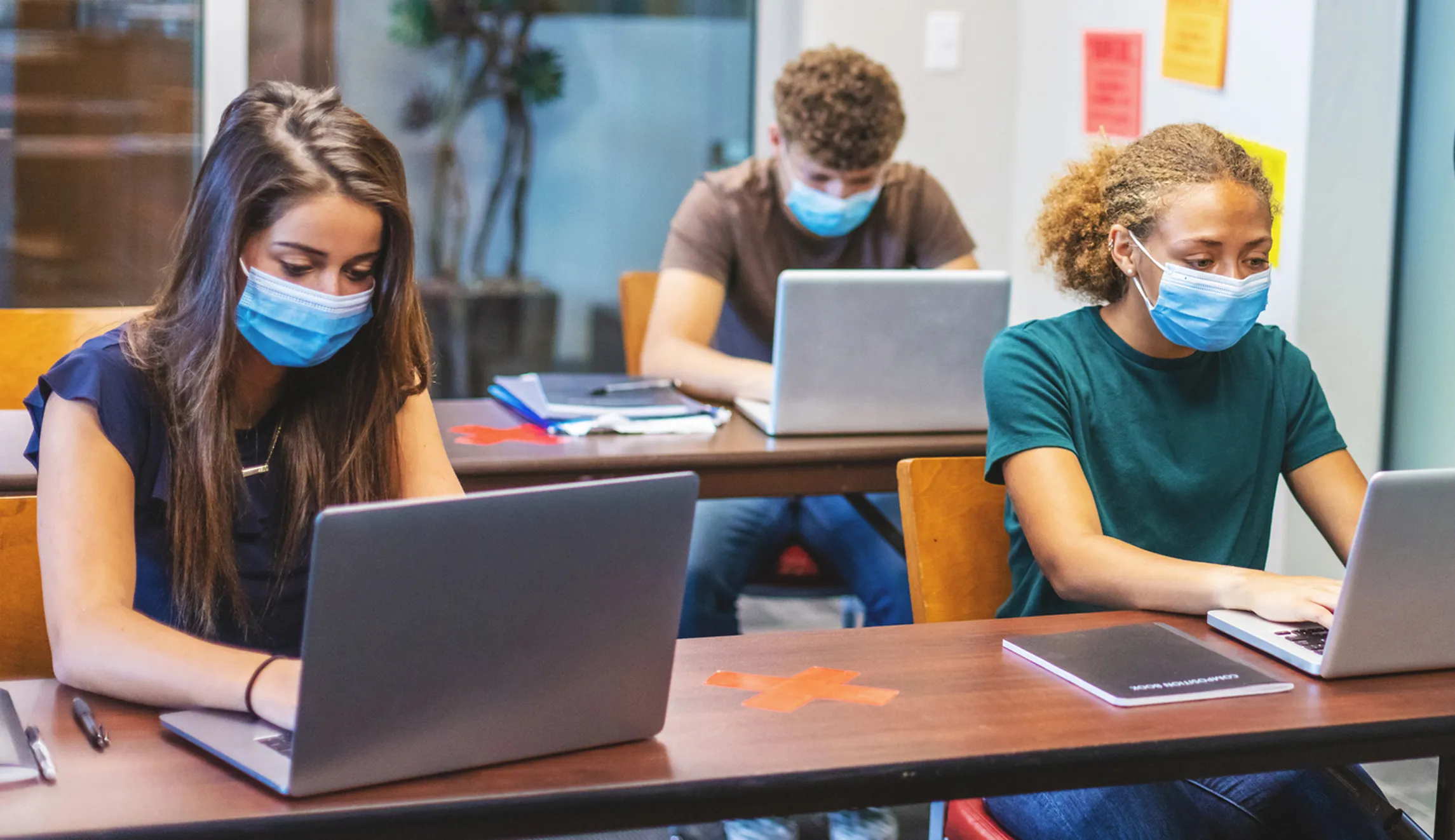
“A cohort of approximately 10 students are assigned to a classroom with a staff member to provide support for online learning,” explains Montgomery County, Maryland. The teacher will not be in the room in many of the county’s public schools. The students will all be on a school-issued laptop, presumably with headphones, since the 10 children in a room will not necessarily be in the same class or even the same grade.
Just across the Potomac River, Virginia’s Fairfax County has been hiring up “classroom monitors” for months to serve the same purpose.
After these schools “return to the classroom,” children will still spend all day staring at a screen, just as they have for the past 11 months.
That’s not exactly what children need these days. Nearly three-fourths of parents say that their children spend at least four hours a day staring at a screen — before the pandemic, the average was less than three hours a day, according to a new study by Morning Consult.
This is certainly addling young brains, shortening their attention spans, adding to anxiety, and detracting from socialization, physical activity, and time outdoors.
Screen time in the classroom may be slightly better because at least children can see other children.
Fairfax County has worried that it may not be able to hire enough monitors, leading to a Plan B: “In the near-term, schools may be in a position where it’s necessary to ask for teacher volunteers to serve as classroom monitors during their self-directed planning period.”
Imagine that: teachers in the classroom.
