OPEC records 27% decrease in Middle East oil production in March

Published April 13, 2026 1:31pm ET | Updated April 13, 2026 1:31pm ET


Oil production in the Middle East dropped by over a quarter in March, as the Iran war continues to destabilize the world’s energy supply. 

OPEC’s production plunged 27%, from 28.7 million barrels per day to 20.8 million, according to data released by the organization on Monday. The nosedive was driven by losses in Iraq, Saudi Arabia, the United Arab Emirates, and Kuwait, and it marks the steepest drop since the 1980s, according to Bloomberg

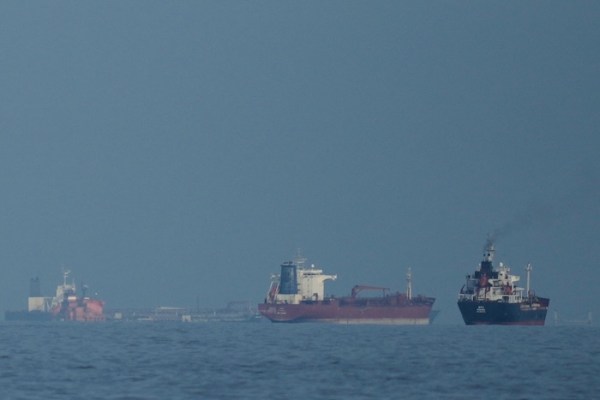
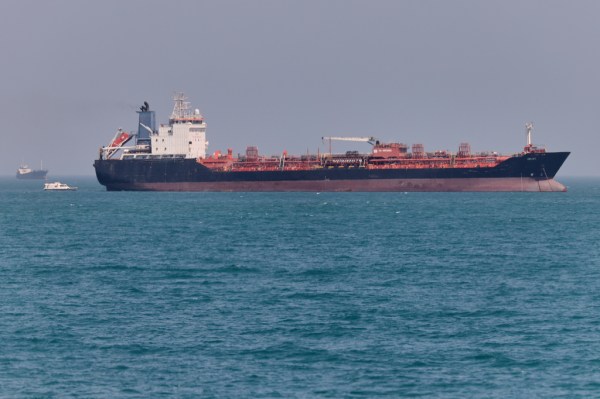
The bleak outlook for the global energy market comes after the U.S. and Israel launched strikes on Iran on Feb. 28, sparking the effective closure of the Strait of Hormuz. The development essentially halted roughly 20% of the world’s oil supply from making its way through the critical Middle Eastern waterway, which connects to the Persian Gulf.

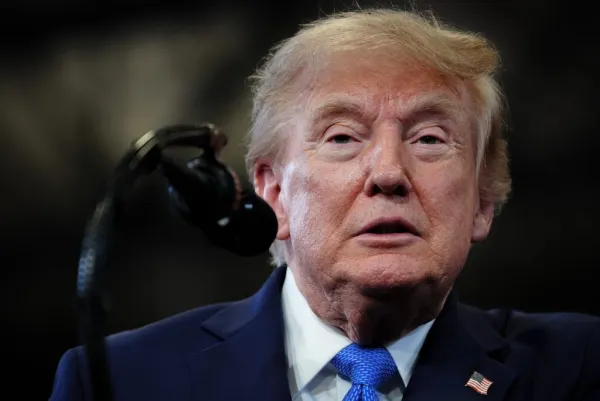
President Donald Trump has pressed Iran to open the Strait of Hormuz, and the ceasefire between the regime and Washington announced Tuesday was supposed to result in freedom of navigation in the waterway. But Iranian restrictions on passage remained, leading Trump to reveal on Sunday that the U.S. is enacting a naval blockade in the Strait of Hormuz, a measure that appears designed to reopen the waterway and force Iran back to the negotiating table. 

OPEC this week lowered its forecast for world oil demand in the second quarter by 500,000 barrels per day. 

“The demand growth for the second quarter of 2026 is revised down for both the OECD and non-OECD, driven mainly by slight transitory weakness ‌in oil ⁠demand growth, given ongoing developments in the Middle East,” OPEC said.

While Trump has said the U.S. does not have much to lose in the crisis, as it is energy independent, gas prices nationwide have risen by roughly 40%, according to AAA. The president said Sunday that consumers could likely expect prices to rise even higher ahead of the November midterm elections. 

It will take months for global energy markets to rebound once the channel is opened. Asia, which is particularly reliant on oil supply from the Middle East, has been devastated by the turmoil, while Iranian attacks on Gulf states responsible for producing much of the world’s fuel have sent further shock waves through the energy industry. 

HOW COUNTRIES ARE COMBATING ENERGY SHORTAGES: ‘AN ASIAN CRISIS’

“Every day the Strait remains restricted, the consequences compound. Supply is delayed, markets tighten, prices rise. The impact is felt beyond energy markets, in economies, industries and households worldwide. Every day matters. Every delay deepens the disruption,” Sultan Al Jaber, chief executive of ADNOC, the United Arab Emirates’ state-owned oil company, said Thursday in a LinkedIn post. Jaber is also a government minister in the UAE, which is the third-largest oil producer in OPEC. 

“Stability now depends on restoring real flows. Not partial access, not temporary measures, not controlled passage, but full and reliable supply,” he continued.