Betting on politics: Insider trading infiltrates war planning to speech writing

Published July 18, 2026 2:25pm ET


Who will be the next official to leave the Trump administration?

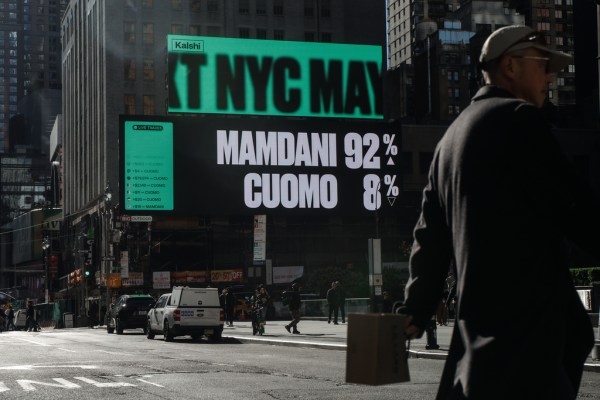
That’s a question currently trading on Kalshi, one of the largest U.S. prediction markets. As of mid-July, traders have wagered nearly $6 million on contracts asking which top Trump administration officials will leave their posts before January 2027.

Prediction markets allow users to buy and sell contracts tied to the outcome of future events, ranging from whether it will rain in Las Vegas to the final score of the World Cup championship.

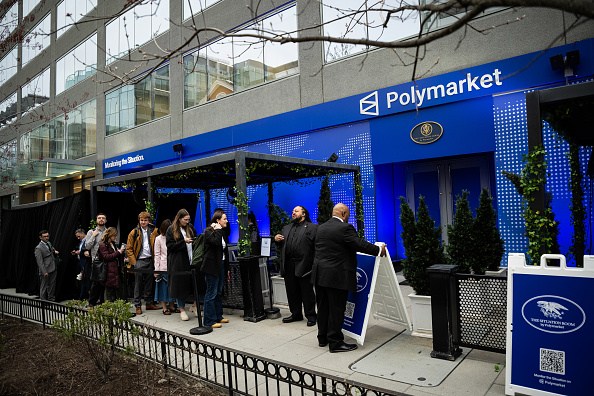
A series of recent insider trading allegations has thrust prediction markets into the spotlight, raising new questions about whether platforms that allow users to bet on real-world events are equipped to prevent the misuse of nonpublic information.

Betting on Trump’s words

Just this week, Gabriel Perez, one of President Donald Trump’s teleprompter operators, was discovered to have earned more than $100,000 by wagering on specific words Trump would use in more than a dozen speeches this year, according to ABC News.

White House Press Secretary Karoline Leavitt confirmed on Thursday that the aide “will no longer be working at the White House” as investigations continue into whether he improperly used privileged information to place bets on Kalshi.

Perez’s actions drew harsh criticism from the president himself, who called them “deeply unfortunate and frankly a disgrace,” Leavitt told reporters.

A classified raid turns into a $400,000 payday

Another recent Justice Department case involved far more sensitive information.

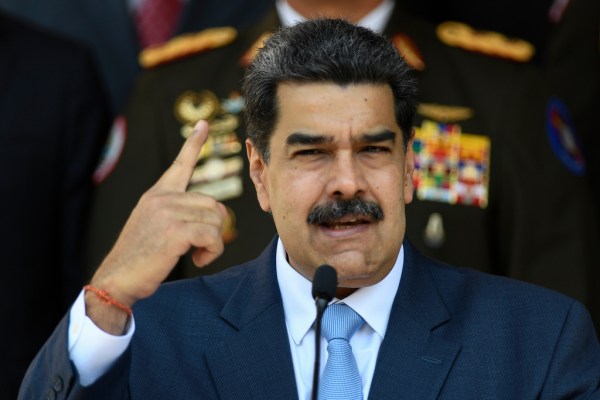
Earlier this year, federal prosecutors charged U.S. Army Special Forces soldier Gannon Ken Van Dyke, 38, with using classified government information to place wagers on Polymarket tied to the capture of former Venezuelan dictator Nicolas Maduro.

According to the indictment, Van Dyke wagered roughly $33,000 between late December 2025 and early January on contracts predicting Maduro would be removed from power and that U.S. forces would enter Venezuela. After the military operation occurred, the bets paid out more than $400,000.

The Justice Department charged him with unlawful use of confidential government information for personal gain, theft of nonpublic government information, commodities fraud, wire fraud, and engaging in an unlawful monetary transaction.

Even politicians have placed bets

The issue isn’t limited to government employees. Kalshi disciplinary records in April identified several political candidates who placed wagers involving their own elections. Among them were independent Virginia Senate candidate Mark Moran, Texas Republican congressional candidate Ezekiel Enriquez, and Minnesota Democratic state Sen. Matt Klein, who is running for Congress.

According to Kalshi, Klein and Enriquez each wagered less than $100 on markets involving their own candidacies, while Moran publicly acknowledged betting $100 on himself.

Congress starts asking questions

The recent controversies have attracted lawmakers’ attention.

House Oversight and Government Reform Committee Chairman James Comer (R-KY) announced last month that the committee is investigating Kalshi and Polymarket over allegations of insider trading and whether users are exploiting regulatory loopholes.

In a letter to Kalshi CEO Tarek Mansour, Comer said the committee is examining whether the companies have adequate safeguards to prevent users from circumventing U.S. regulations, including through offshore platforms.

The White House has also taken notice.

ICE FROZEN OVER TRUMP-MULLIN TRAFFIC STOP ARGUMENT

White House lawyers questioned staff about whether anyone inside the administration could be placing prediction market bets using privileged information, according to the Wall Street Journal. Officials ultimately concluded it would be extremely difficult to identify bettors because Polymarket allows users to create anonymous accounts, despite blockchain investigators’ ability to trace transactions after the fact.

Instead, the administration issued a late-March memo reminding staff that they are prohibited from using nonpublic government information for financial gain.