

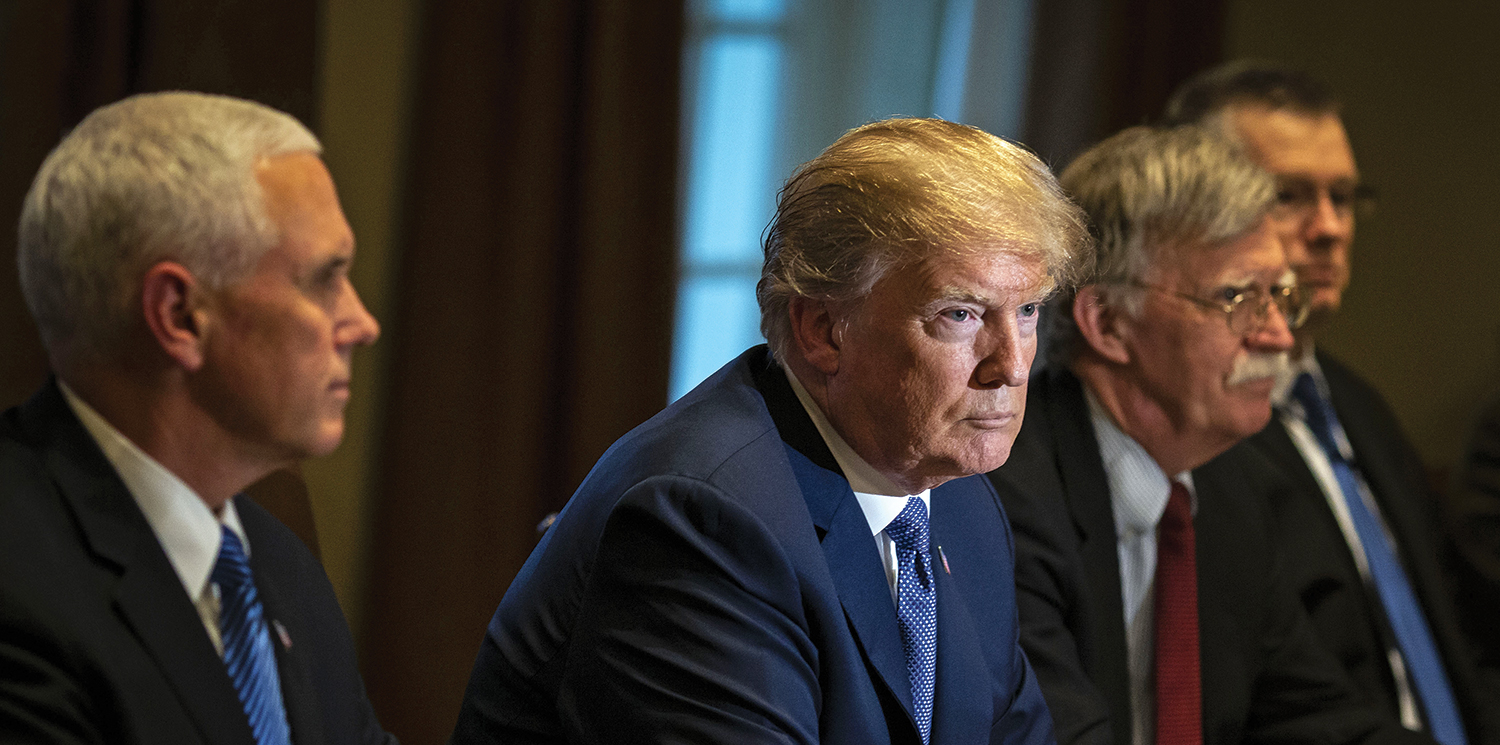
In foreign affairs, there’s a lot to be said for unpredictability. Puzzlement can induce one’s enemies to hold back or make stupid decisions. Henry Kissinger famously portrayed Nixon as acting “somewhat crazy” to keep the Soviets guessing—even to the point of dramatically elevating the readiness level of the Strategic Air Command to make it look as though a nuclear strike were imminent. (It wasn’t.) Nixon was hardly the first to see the value in unpredictability. In the 16th century, Machiavelli remarked that it’s a “very wise thing to simulate craziness at the right time.”
Mixed messaging, in short, isn’t always a bad thing in diplomacy.
Stay informed.Stay ahead.
Join Washington Examiner for unlimited access to the news, analysis, and commentary that matter most.
Already a member? Log in
