

The fact that a number of Republican governors have reluctantly agreed to some form of a Medicaid expansion through President Obama’s healthcare law is in no small part due to the efforts by state and national lobbyists for the hospital industry.
Hospitals have been pushing the issue hard, because they were counting on an expanded Medicaid program to reduce their uncompensated care costs. In theory, state Medicaid expansions were supposed to help offset Obamacare’s cuts to Disproportionate Share Hospital (DSH) payments to facilities that serve large low-income populations.
Recommended Stories


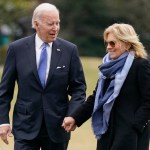
But Gov. Bobby Jindal, R-La., has held firm against expanding Medicaid in the state. When he was in Washington last Tuesday to promote his new energy plan at the Heritage Foundation, the Washington Examiner asked him about the involvement of industry groups in the Medicaid fight.
“There was a lot of provider pressure, for economic reasons,” Jindal said.
But Jindal, who once served as Secretary of the Louisiana Department of Health and Hospitals, said that if Medicaid were expanded in Louisiana, the number of people who would move to Medicaid from private insurance would exceed the number of uninsured residents who would gain coverage.
“I told my hospitals I thought that [supporting Medicaid expansion] was a foolish, shortsighted, short-term position,” he said. “My message to hospitals was, ‘For some of those who were uninsured who you now think you’ll get Medicaid payments, remember, you’re also, for every one of those, you’re also losing one person who was once paying commercial rates who is now paying Medicaid rates.’ What are states going to do when they’re budget is getting tight? When the federal government inevitably lowers the matching, or FMAP rate, states are going to cut provider rates. They already don’t pay 100 percent of the actual cost. They already cost shift to the private sector. It’s only going to get worse.”
He continued, “So my message to the hospitals was, ‘Be careful what you ask for, you’re going to end up trading away your commercial paid patients for more state paid, and you know what’s going to happen.”
Doctors say there is a physician shortage
Seventy-two percent of doctors believe there is a shortage of physicians in the United States and that more need to be trained, according to a survey by the Physicians Foundation.
The findings come from a survey that was emailed to “virtually every physician in the United States with an email address on record with the American Medical Association” this March through June as the law’s major provisions were taking effect, and received more than 20,000 responses from doctors.
The survey also found that 81 percent of physicians described themselves as “either over extended or at full capacity,” compared to just 19 percent who said they have time to see additional patients.
