3 ways the GOP tax plan will most directly affect millennials

By
Published November 8, 2017 9:18pm ET


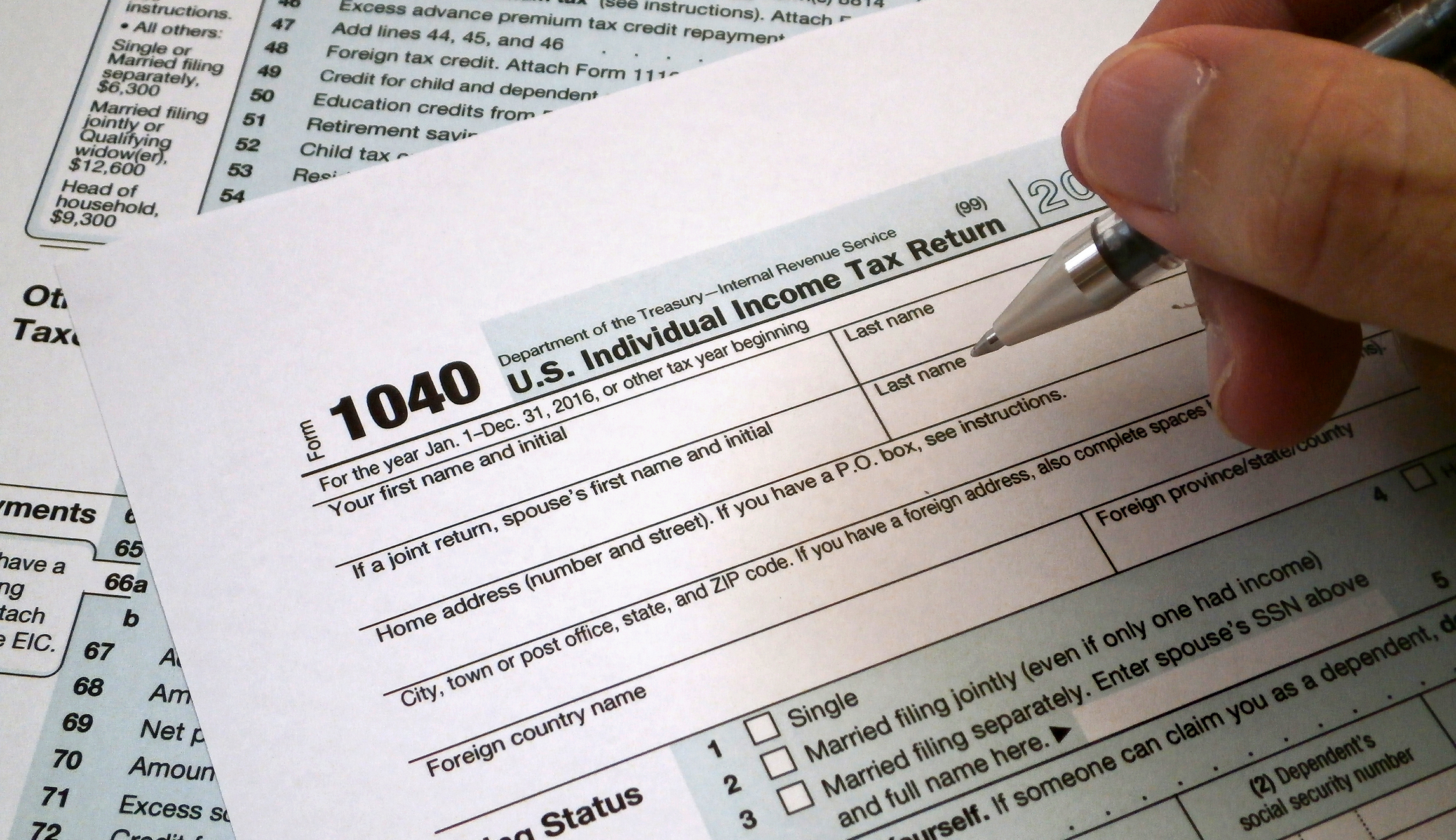
President Donald Trump said he wants Congress to pass tax reform legislation before Christmas, in what would be the most comprehensive change to the tax code in three decades. While the administration has said the legislation would mean dramatic tax cuts for millions of American, including middle-class workers and some of the country’s highest earners, the bill would slash deductions, several of which millennials take advantage of, or perhaps may have planned to use in the near future.

One of those deduction is the student loan interest deduction. According to the current tax code, student loan borrowers can deduct up to $2,500. For someone in the 25 percent tax bracket, that amounts to $625 in tax deductions. More than 12 million Americans used the student loan interest deduction in 2015, according to CNBC. Of those 12 million borrowers, 1 in 4 are millennials who owe at least $30,000 in student loans and undoubtedly rely on the current student loan interest deduction.

CNBC noted in its report: “Borrowers most likely to feel the full loss of the deduction would include recent graduates of either grad school or undergrad with ‘significantly above average’ student loan debt and income below the phase-out threshold, [Mark] Kantrowitz, [vice president of strategy for college and scholarship search site Cappex.com] said.”

Another tax deduction on the chopping block because of the GOP tax bill is the home ownership deduction. According to Business Insider, the legislation proposes cutting the mortgage deduction limit from the current amount, $1 million, to half that number, $500,000.

Already, millennials are less incentivized than previous generations to purchase homes. Part of that is likely due to the fact that the economy has been slower to improve for millennials than for older Americans. Another part is the fact that a considerable number of millennials live in urban areas, where home prices are much more expensive than in rural or even suburban areas. Slashing the home mortgage deduction in half could dissuade even more millennials from purchasing a home.

The proposed Republican tax reform legislation could also directly impact millions of millennials in that it would end medical expense deductions.

Currently, the tax code allows for medical expense deductions if they exceed 10 percent or more of an individual or family’s income. Given that millennials already are crushed by skyrocketing health insurance premiums under Obamacare, abolishing the medical expense deduction could only add to millennials’ already burdensome healthcare costs.

The question now is, with all of these deductions on the chopping block, will the simplification of tax brackets and the lowering of tax rates be enough to compensate for the amount of these deductions?

Jon Street (@JonStreet) is a freelance journalist in Washington, D.C. He is a former assistant editor at TheBlaze.com and former Vermont Bureau Chief at Watchdog.org.
