

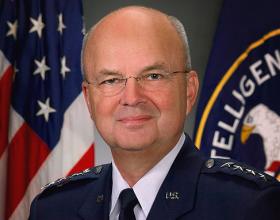
We are six years out from one of the most far-reaching reforms of U.S. intelligence in its history. In 2004, Congress passed legislation that created the Office of the Director of National Intelligence (ODNI) to oversee and coordinate the sprawling collection of agencies that act as our nation’s eyes and ears. In thinking about the consequences, we now have the extraordinary reflections of General Michael Hayden, who has served as director of the CIA, director of the National Security Agency, and deputy to the first Director of National Intelligence, John Negroponte. In short, he knows whereof he speaks.
Hayden sees the reform as mixed bag. Like many in the intelligence world, he had opposed it at its inception, noting here that in the midst of war “[o]ur operational tempo was extremely high and we all knew that any major restructuring would be a drain on time and energy.” But given the lapses that led to 9/11 and the erroneous estimate of weapons of mass destruction in Iraq, a restructuring was almost inevitable. Congress chose to strip the director of the CIA of his coordinating role and convey that power to the head of the new agency that it created.
Stay informed.Stay ahead.
Join Washington Examiner for unlimited access to the news, analysis, and commentary that matter most.
Already a member? Log in
