
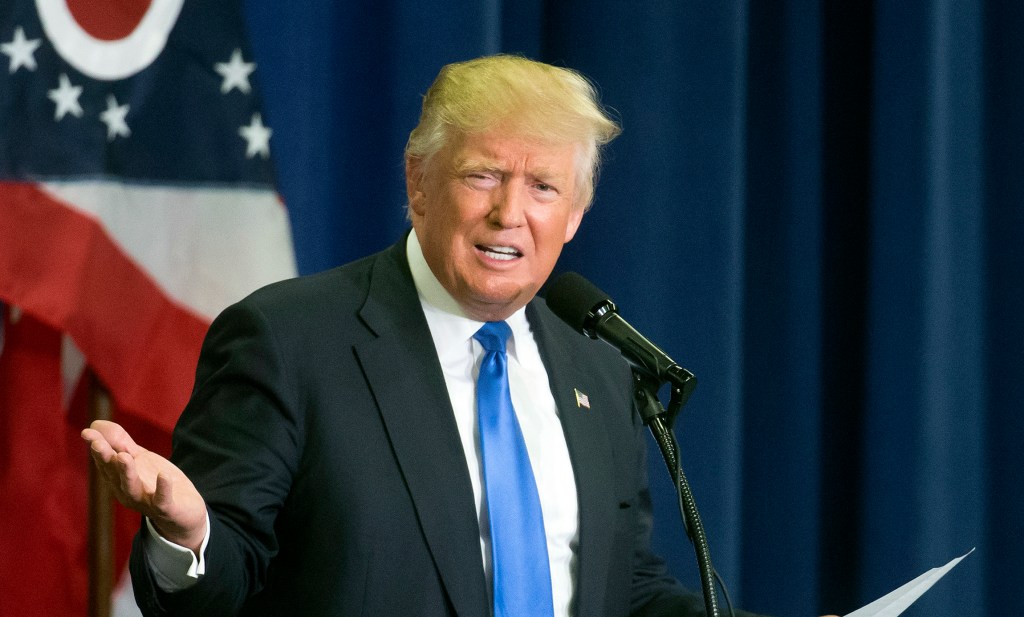
Donald Trump’s campaign is slamming an analysis from a leading research firm showing his healthcare proposals would undercut insurance coverage and increase the deficit.
Recommended Stories

Steven Cheung, hired by the Republican presidential nominee in July as his “rapid response” director, called the analysis from the RAND Corporation “ludicrous” and said it was based on an “imaginary plan” and not anything Trump has himself proposed.
Cheung also said the campaign never spoke with anyone at RAND for the analysis, and that the campaign asked the firm to delay issuing the report until a conversation could happen.
“We asked them to delay their report until they spoke with our health care team, but they declined to do so — preferring to continue based on incorrect information,” Cheung said.
RAND relied on several of Trump’s proposals around health reform to conduct its analysis, including his repeated promises to repeal the Affordable Care Act, which the firm says would eliminate health coverage for about 20 million people.
Trump hasn’t previously said he’d provide insurance subsidies in place of the ones in Obamacare, nor does his website mention them, but Cheung said Friday that Trump’s plan would include subsidies or some other form of support. He charged that the RAND report is “null and void” because it doesn’t assume Trump’s plan would offer subsidies.
RAND also considered six other proposals on Trump’s website, which include allowing people to fully deduct health premium payments and block-granting Medicaid to the states. But the Trump campaign said RAND made some faulty assumptions, like assuming he would get rid of all Obamacare’s components including its requirement for insurers to cover people with preexisting conditions.
“This is just one more distraction from the disaster that is Obamacare,” Cheung said.
The response was unusual from the Trump campaign, which has released far fewer policy proposals than Democratic presidential nominee Hillary Clinton and offered fewer details of how Trump would engage with federal policy as president.
The RAND Corporation also released an analysis of Clinton’s health proposals, concluding her ideas would result in more Americans getting insurance coverage. But the firm also said both Trump’s and Clinton’s proposals would increase the federal deficit.