

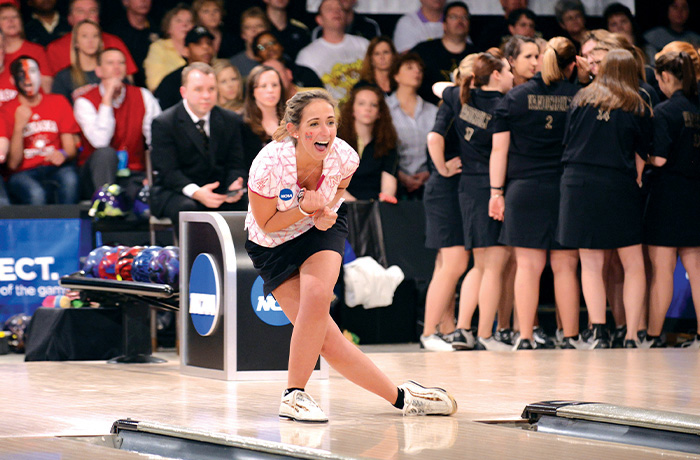
It’s the Groundhog Day of arguments about sports. Some guy in a Steelers jersey is getting red-faced about how Formula One isn’t a real sport because “the car does all the work,” while his buddy, who bowls league every Thursday, is trying to explain that rolling a sixteen-pound ball with precision down sixty feet of oiled wood is absolutely athletics. The guy nursing his third Iron City chimes in that if you can do it while eating nachos, it’s not a sport. The bartender, who played Division III lacrosse at Washington & Jefferson College, just shakes his head and changes the channel from ESPN8 showing cornhole to something everyone can agree on: football highlights. But are we talking the explosive North American version played by sumo-sized linemen or the graceful, stamina-centered sport known to the rest of the world as football?
We argue about sports the way medieval scholastics argued about angels dancing on pinheads — with absolute conviction about something that seemingly doesn’t matter, yet also matters more than anything else. The Dutch historian Johan Huizinga, who probably never threw a decent curveball in his life, spent a whole book trying to figure this out back in 1938. In Homo Ludens, he argued that play came before culture, that all the serious things we do, from war and law to poetry, started as games. Play, he said, has to be voluntary, separate from ordinary life, uncertain in outcome, unproductive (creating neither goods nor wealth), governed by rules, and make-believe. Interestingly enough, but for our purposes, modern sports aren’t play at all. They’re work. They produce wealth (college scholarships count here). They’re as real as a mortgage payment for the guys whose knees are shot by 35.
