
Controversy has once more rocked the Democratic National Committee. It’s not merely the debates, though many take issue with there being only six, and several of them taking place on a Saturday or Sunday.
Recommended Stories

The DNC has been accused of favoring front-runner Hillary Clinton, with the limited amount of debates, but now by cutting of Bernie Sanders from a voter database. After the Sanders campaign filed a lawsuit on Friday, the DNC has agreed to allow the campaign to regain access, as CNN reported.
Still, the damage may be done, and there are calls for Sanders to run as a third-party candidate. This includes RoseAnn DeMoro, executive director of National Nurses United, which supports Sanders.
Sanders had said he would not run as a third-party candidate, as he did not want to risk taking votes away from Democrats and electing a Republican. That was over the summer though, and at this point, enough may be enough.
When it comes to Millennial voters, Sanders enjoys a commanding lead over Hillary, who is still struggling with the key demographic. Sanders could hand the youth vote to the GOP by taking a lot of his dedicated fan base with him.
If he were to run on a third-party ticket, Sanders might not be the only candidate formerly running as a Democrat to do so. Sen. Jim Webb dropped out of the race in October, and said he would consider running as an independent.
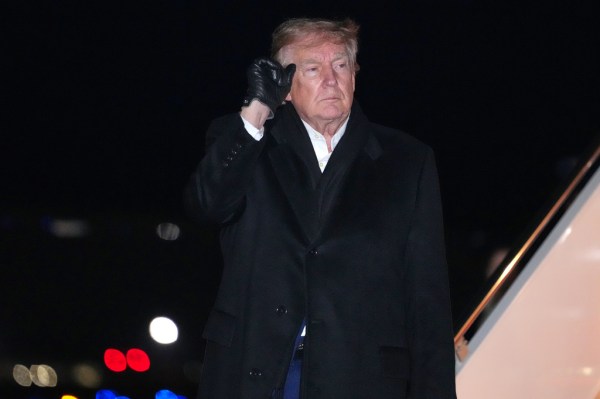
It’s not just the Democrats. GOP front-runner Donald Trump began thinking once more of running as an independent late last month. A more recent article from Politco says that the “Window for an Independent Trump bid is wide open.”
For those who thought 2016’s pool of 20 candidates was a lot, it looks like the excitement has just gotten started. This could certain be one for the history books, with it being any one candidate, or party’s, race to win.