
Fidel Castro, the communist dictator who ruled over Cuba for five decades, instituted a one-party government, and seized control over all aspects of Cuban life has finally died. Multiple generations of Cuban Americans living in Miami flooded the streets of little Havana, waving flags, dancing and cheering “Cuba Libre!” at the landmark Versailles restaurant.
The celebration symbolized being one step closer towards economic and political freedom in Cuba. However, weighing heavily on their hearts and minds are the 11 million people currently living on the island that will continue to live oppressed.
Recommended Stories
Castro’s death presents an opportunity to educate a new generation about the consequences of political systems. Young Cuban Americans who have not experienced communism firsthand tend to favor big government policies more than their parents and grandparents who lived under the regime.
Unfortunately, some of our national leaders, major news outlets, college professors, and athletes such as Colin Kaepernick extoll the virtues of Castro and communism.
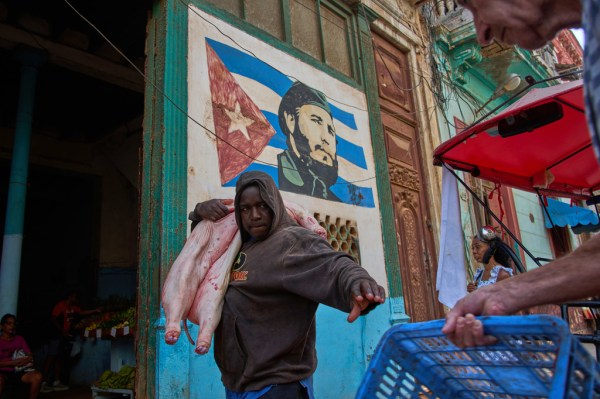
Americans have been told that the Castro regime provides its people with healthcare and education, but we do not get the full picture. We have not been told about the inadequacies of these services or the great human cost the Cuban people pay in exchange. Cuba has the highest suicide rate per capita in the Americas. We have not heard about the heartbreaking stories of the hundreds of thousands of victims, the gays and lesbians who have been thrown in concentration camps, those who have had their homes and business seized, and their places of worship shut down by the government.
They don’t tell us that in communist Cuba, food is rationed and careers are determined by the government.
They don’t tell us that over 20% of the Cuban population has fled, many who have come to America because we are the beacon of human rights in the world.
In Cuba, those who speak out against the government become political prisoners. In fact, if America was a communist country, Kapernick, and those protesting the presidential election could be locked behind bars for years just for voicing their opinion, kneeling during the national anthem, or petitioning their government.
As a Miami native, the Cuban community has become my extended family. They are a hard working, entrepreneurial, culturally rich, politically engaged, philanthropic, intellectual and extremely patriotic community. They love America and are grateful for the opportunity that each individual has to pursue their own America dream. They are most appreciative of our freedoms that we often take for granted — free press, speech, assembly, and religion.
Marlon Montero, a student at Miami Dade College lived on the island until the age of 12. Being that he is a millennial and has lived in America for less than 10 years, I asked him what it’s like to live under the Castro regime.
He shared that despite his parents hard work, his family relied on aid from their relatives who lived in Miami to ship them food and medicines. If they wanted meat or any other specialty items, they would have to obtain them through the black market. Montero also explained how “a lot of men and women on the island would give up their education and any dream of a good career to prostitute their bodies because they know that school wouldn’t give them the career of their choice nor enough money to bring food to the table to support their family.”
He further explained that the government provides only a few career options such as a construction worker, teacher, and a few others. The government determines your role and how many rungs are in your ladder of success, if any.
Perhaps the greatest tragedy of a communist political system are the effects that it has on the spirit. Imagine what it’s like to live the plans of a bureaucrat rather than pursuing your dreams.
The growth of government casts a shadow on the light of the people and eventually can extinguish their flame. This is a universal principle. Whether it’s in Cuba, Venezula, or Chicago, the cost of government is not measured in dollars — it is measured in lives lost and dreams not pursued.