President Joe Biden’s approval rating hit a new low in a recent Wall Street Journal survey, with more than half of respondents, 53%, saying they have been personally hurt by the president’s agenda. It does not take a master political strategist to know that a course correction is in order. That should start with an overhaul of the Environmental Protection Agency’s Clean Power Plan 2.0.
From the moment he took office, Biden has targeted traditional, abundant sources of U.S. energy. He immediately canceled the Keystone XL pipeline and banned new oil and natural gas leases on federal land, costing good-paying jobs and undermining our energy independence. Now, he is doubling down by taking a page from the Obama administration playbook with his CPP 2.0.
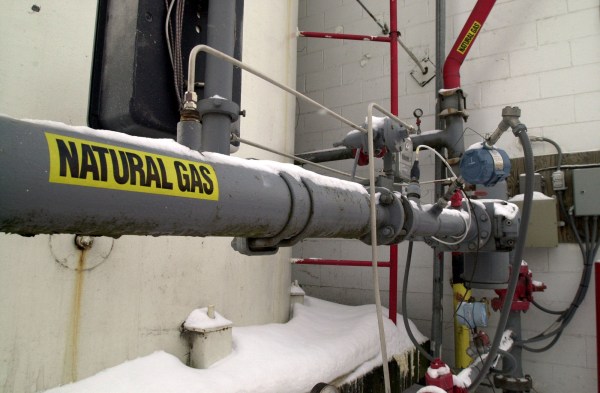
The proposal imposes harsh emissions limits on gas-fired power plants and mandates the use of technology that is not readily available at scale. As a result, some natural gas power plants will be unable to continue operating, forcing American homes and businesses to depend on more intermittent energy sources such as wind and solar.
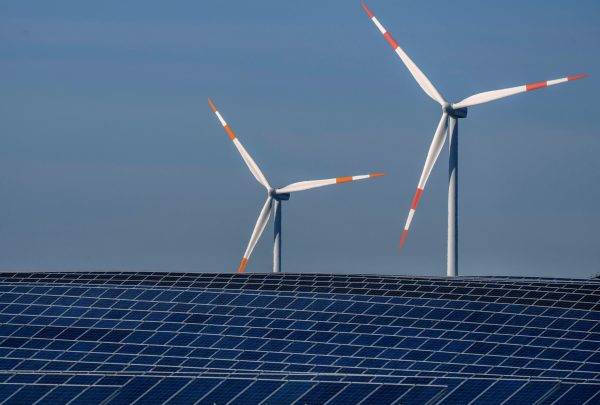
The harmful impact will be twofold. Our energy grid will become less reliable, and our country will become more dependent on China for the critical minerals and rare-earth elements used to manufacture renewable energy components such as solar panels and wind turbines.
Grid operators around the country have raised the alarm on the reliability problems that will ensue if CPP 2.0 is implemented without necessary changes. A group of regional transmission organizations and independent system operators that collectively manage the reliability of electric service to more than 154 million people filed comments with the EPA warning of “an increasing trend of retirements of dispatchable generation, which provides critical attributes that are needed to support the reliable operation of the grid.” They added, “Although each region is working to facilitate a substantial increase in renewable generation, the challenges and risks to grid reliability associated with a diminishing amount of dispatchable generating capacity could be severely exacerbated if the Proposed Rule is adopted.”