

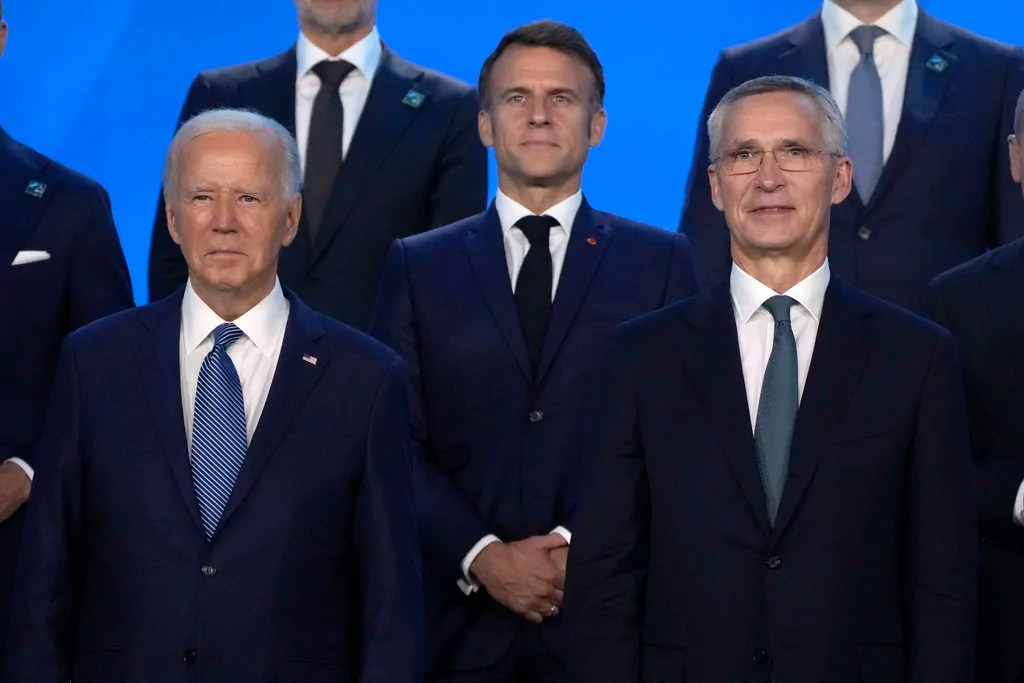
As American foreign policy pivots toward the Indo-Pacific, a shift that would rightly accelerate should former President Donald Trump win in November, questions loom regarding how the United States might encourage its European partners to bolster their national and collective security. Such measures are critical not only for Europe’s own sake, but also for the broader goal of countering and prevailing against the revisionist authoritarian axis of China, Russia, Iran, and North Korea that now menaces the free world.
Despite some increases in defense spending — Germany and Norway, for instance, will commit 2% of their gross domestic products to defense for the first time this year — there is little evidence of improved military capabilities or increased troop numbers. This, even as Europe grapples with its largest ground conflict since World War II and an expanding Chinese military presence. Last week, for example, Chinese and Belarusian forces conducted an 11-day joint exercise, “Eagle Assault 2024,” in Belarus, less than three miles from the Polish border.
In-depth coverageas the midterms
take shape.
Follow the latest midterm news, analysis, and expert perspectives with unlimited access.
Already a member? Log in