

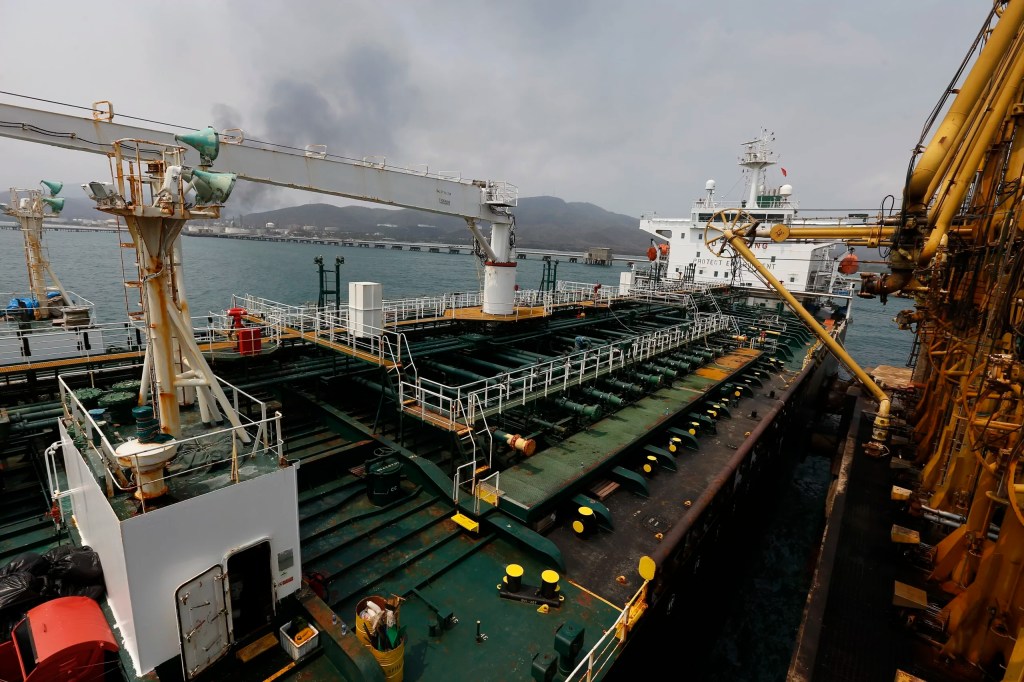
“We are committed to bringing the Iranians to going back to the 100,000 barrels a day of oil exports,” Treasury Secretary Scott Bessent said on Feb. 14. “If we get [Iran] back to Trump 1.0 levels, I think they will be in severe economic distress,” he added. While Bessent’s first statement may be too ambitious, his second is accurate.
The Iranian fiscal year begins on March 21. Each year, parliamentarians estimate both the amount of oil they must export and at what price to make payroll and break even. In the coming year, Iran envisions exporting 1.8 million barrels per day. A significant drop in Iran’s oil exports could both bust the budget and push the country into recession given Iran’s dependency on hydrocarbon exports. A recession would, in turn, suppress tax and tariff revenues, force deficit spending, and accelerate inflation — possibly triggering an economic death spiral.
In-depth coverageas the midterms
take shape.
Follow the latest midterm news, analysis, and expert perspectives with unlimited access.
Already a member? Log in