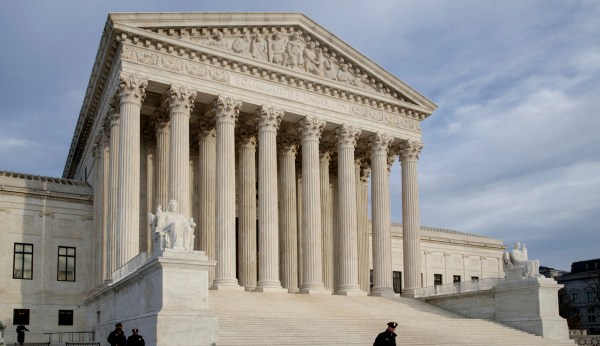
On June 27, 2018, the Supreme Court decided Janus v. AFSCME, overturning Abood v. Detroit Board of Education and restoring First Amendment rights to millions of public-sector workers. The decision was simple but profound: Government employees cannot be forced to subsidize a union as a condition of public employment. They have the right to decide for themselves whether union membership is worth their money. They can say yes to a union just as freely as they can say no.
Eight years later, however, many unions still seem unwilling to accept that choice. As the plaintiff in Janus, I have often wondered why unions rely on subterfuge to retain members. If they offered a valuable product, wouldn’t workers voluntarily choose to join? Wouldn’t they compete for members by proving their worth?