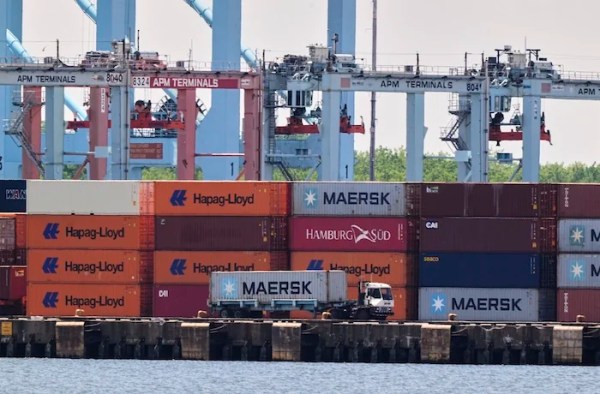
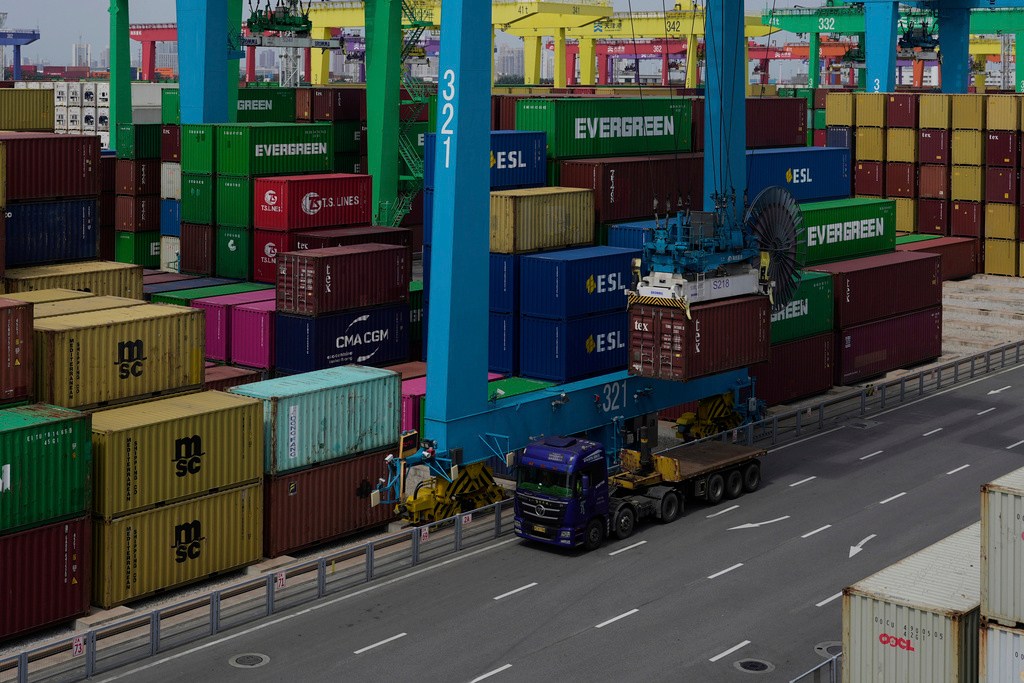
A fundamental economic principle is that voluntary trade creates wealth, and the more people trade, the greater their well-being. Most economists agree that the more a nation’s citizens can trade with each other and with other countries, the better off they become. Since the end of World War II, the United States has generally worked to reduce trade barriers across the globe; as a result, world trade values are more than 381 times higher today than in 1950. Unsurprisingly, Americans now enjoy one of the highest standards of living in the world.
Yet, despite widespread agreement among economists, many American citizens and policymakers ignore this fundamental economic principle and still support tariffs and other trade barriers. Since the Trump administration’s tariffs throughout this year, the American economy has flashed one negative indicator after another. The recent Bureau of Labor Statistics report showed the economy adding fewer than 100,000 jobs since April, while the unemployment rate increased for the first time since the pandemic. Consumer confidence remains low, with Americans expecting high interest rates and increased inflation to persist. Global bank UBS now predicts a 93% chance of a recession this year.