

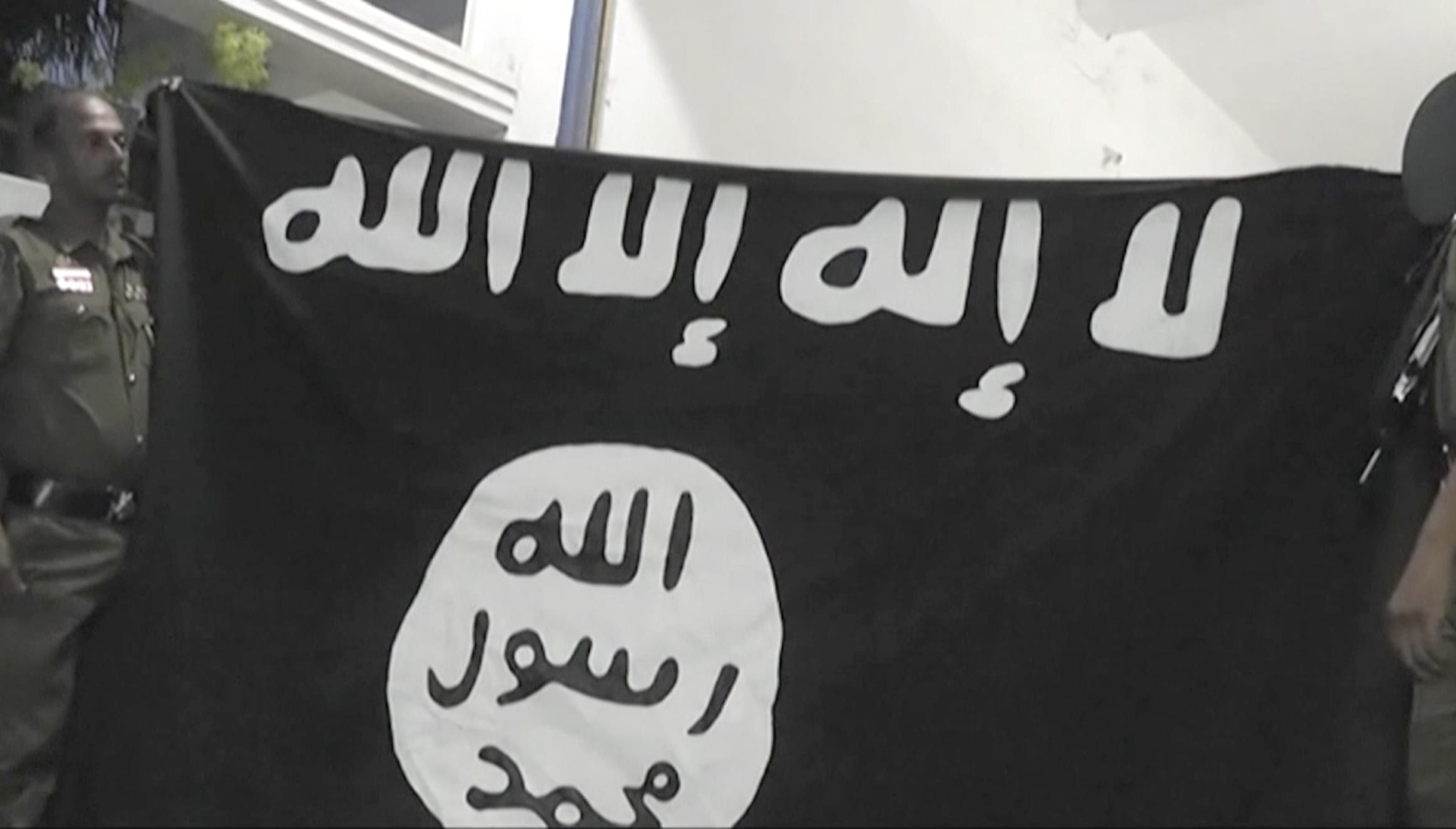
The Islamic State finally revealed the name of its new leader — Abu al Hassan al Hashimi al Qurayshi — 42 days after its late leader, Abu Ibrahim, killed himself during a US raid in northwestern Syria on February 3. The Islamic State has never gone this long without a named successor. Four weeks was the longest gap previously, and Abu Bakr al Baghdadi’s successor was named a mere four days after his death in October 2019. The delay signals possible weaknesses in the Islamic State’s senior leadership and operations in Iraq and Syria but not its global network, which has proven to be insulated from the core’s fate.
The Islamic State has been slowly rebuilding in Iraq and Syria after the collapse of its physical caliphate in 2019. It had launched a brazen attack on a prison in Hasakah, Syria, to free detained members, adding hundreds to its force of up to 10,000 fighters shortly before the raid targeting Abu Ibrahim. But local security forces have limited the Islamic State to a rural insurgency. And the October 2021 capture of the Islamic State’s finance chief, privy to the organization’s inner workings, has put the senior leaders at risk. The February 2022 deaths of Abu Ibrahim and Islamic State spokesman Abu Hamza may have compounded challenges for an organization already in disarray.
Stay informed.Stay ahead.
Join Washington Examiner for unlimited access to the news, analysis, and commentary that matter most.
Already a member? Log in
