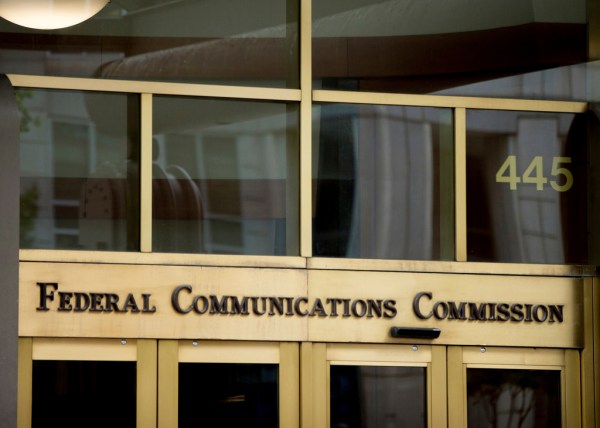
Absent congressional action, the Federal Communications Commission’s (FCC) statutory authority to conduct spectrum airwave auctions is set to expire this year. The United States has been a world leader in spectrum auctions. Well-designed auctions conducted in a timely manner have enabled spectrum, a scarce resource, to be allocated to the most high-value uses in a transparent manner with minimal political controversy. The country’s early deployment of each new generation of mobile technology is a testament to its effective auction policy. Importantly, auctions have also raised significant sums of money for governmental use in other sectors.
On March 3, anticipating the aforementioned authority expiration, Sens. Roger Wicker (R-MS) and John Thune (R-SD) sent a letter to FCC Chairwoman Jessica Rosenworcel requesting information on future spectrum auction opportunities and auction-rule policy reforms that could promote international competitiveness, maximize spectrum-use efficiency, and foster rapid deployment of next-generation technologies. It is timely, therefore, to consider whether other countries’ spectrum policies might inform future US spectrum policy.