

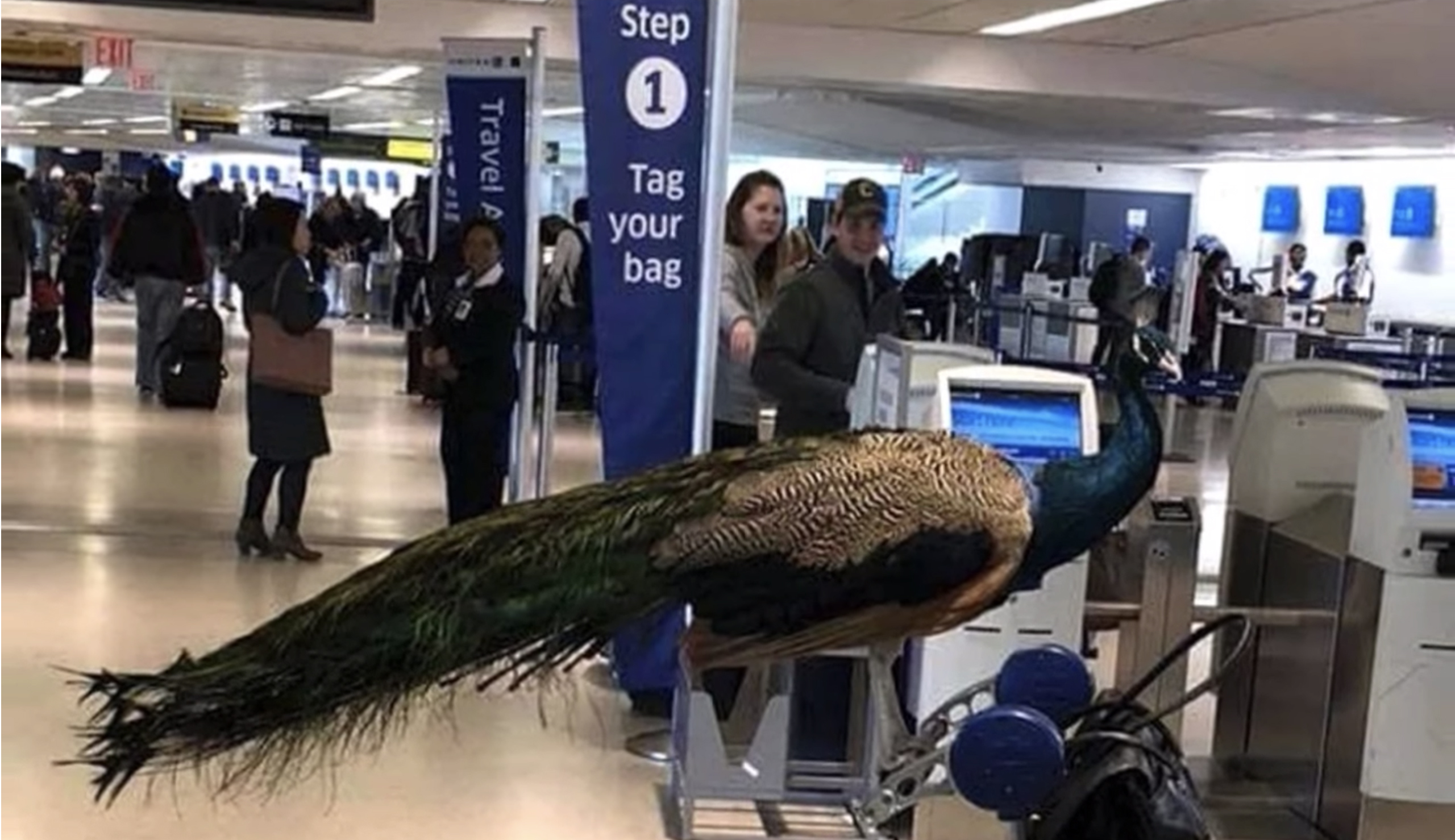
Some critics are arguing that encountering a domesticated alligator walking down the street or moving next door to someone with a pet duck indicate that “emotional support” animals are getting a little out of hand.
This year has sparked controversy nationwide regarding emotional support animals and the qualifications to acquire them.
Recommended Stories



The New York Times dove into this debate, as the concept has become more and more popular over the years alongside discussions of mental health.
More than 24 state legislatures have passed laws to combat service animal “fraud,” referencing those who either lie about needing emotional support from an animal or about their animal being a certified emotional support animal.
Of these legislatures, Utah has made this fraud a misdemeanor, Oklahoma granted restaurants and stores the right to reject support animals, and Virginia outlaws websites that grant E.S.A. verification letters simply by paying a fee and nothing else.
This apparent outbreak of needing emotional support animals has caused some issues in public areas — including airplane passengers being bit by emotional support dogs.
United Airlines closed a loophole in January for passengers attempting to finesse their animals onto their flights, saying in a statement that the policy will “further ensure the well-being of our employees and customers while accommodating passengers with disabilities.” Someone previously tried to board a United flight at the Newark International Airport in New Jersey with an “emotional support peacock.”
Emotional support animals seem to be as highly protected as service animals under the Fair Housing Act, which states, “Persons with disabilities may request a reasonable accommodation for any assistance animal, including an emotional support animal.”
This includes establishments with a “no pet policy.”
“A true service animal is a highly-trained dog,” said Tammie Townley, a state representative in Oklahoma. “When someone comes in with an emotional support animal, they are saying, ‘It’s my service animal.’ No — it’s something you bought a vest for.”
“It’s really hard to draw a bright line,” said Todd Weiler, a state senator in Utah. “To a large extent, everybody could benefit from having a pet. When is it an emotional support animal and when it is a pet?”
“My basic stance is that mental illness is tough,” said Matthew Deitz, litigation director of the Disability Independence Group. “Anything that makes somebody feel better, why not? As long as you don’t hurt anybody else, what’s the big deal?”
