

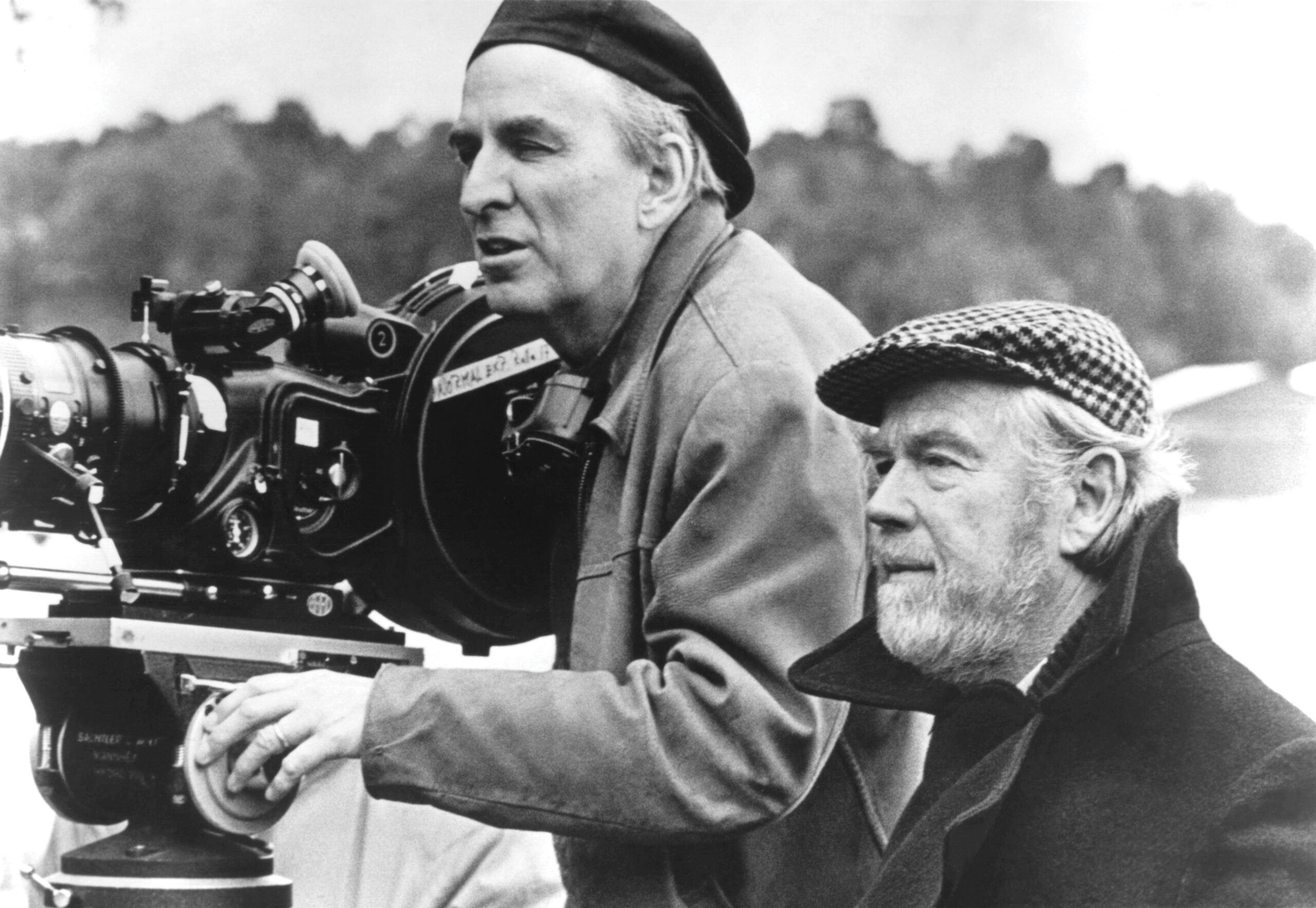
Near the beginning of my 1972 book Ingmar Bergman Directs, I wrote that “Ingmar Bergman is, in my most carefully considered opinion, the greatest filmmaker the world has seen so far.” Forty-six years later, I stand by that judgment. Bergman made about 50 feature films, as well as many television and radio programs. He staged several operas and ballets, and directed—and sometimes wrote—many theater productions. He was the author of books both autobiographical and fictional, not to mention various articles and speeches. But neither quantity nor diversity matters as much as quality and originality, in which his works abound.
Many of Bergman’s films received wide critical acclaim, and even his lesser achievements became objects of fascination and admiration during his lifetime. Whole new modes of filmmaking derived from Bergman, and the vast number of commentators on his works is very nearly equaled by those influenced by him, whether or not they know it. But the passage of time, the evolution of tastes, and our cultural emphasis on the new has meant that today’s young American moviegoers are unfamiliar with the Swedish filmmaker’s work. Even true cinephiles under the age of, say, 40 may never have seen one of his pictures. So Bergman’s centenary—he was born on July 14, 1918—provides a good occasion to introduce his work to new generations of viewers, with a brief overview of his career and a few suggestions for films that could serve as points of entry.
Stay informed.Stay ahead.
Join Washington Examiner for unlimited access to the news, analysis, and commentary that matter most.
Already a member? Log in
