

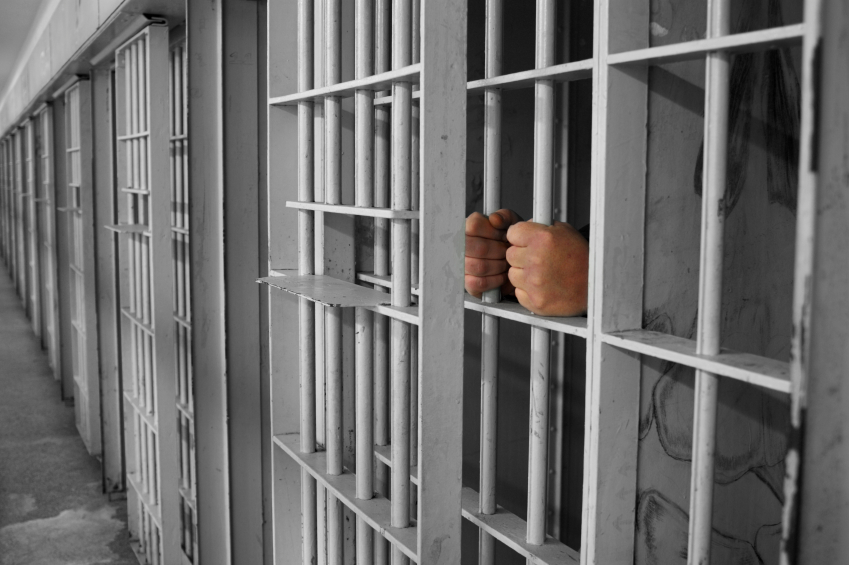
When I was serving as U.S. Attorney for the District of New Mexico during the administration of President George W. Bush, I was given the opportunity to help create a drug court for people facing convictions for nonviolent, low-level drug offenses. I said no. I thought the proper place for a person who had committed such a crime was behind bars. Today, I’d have a different answer.
Over the past year, I have had the honor of serving on the Charles Colson Task Force on Federal Corrections. Congress created the Task Force as a bipartisan panel to make recommendations addressing unsustainable growth in federal prison population and costs. And a quick look at that growth shows the need for action could not be greater.
Recommended Stories


The federal prison system is the largest and most expensive in the country, costing taxpayers over $7 billion a year. Despite such astronomical expenditures, funding hasn’t kept pace with growth in the federal prison population, which has skyrocketed to almost 700 percent of its size in 1980. Nevertheless, the increased budget for the federal Bureau of Prisons has displaced funding for other public safety interests in the Department of Justice, such as supporting state and local law enforcement and victims’ services.
Since my time as a prosecutor, we’ve amassed substantial evidence that indiscriminately long sentences are not the best way to control crime. Alternatives to incarceration, such as drug courts, may be appropriate and can actually lower recidivism rates for some people. Longer prison terms don’t lead to reductions in reoffending rates, but some in-prison treatment does. In fact, such lengthy prison terms have contributed to our current crisis: because of overcrowding and understaffing, people in federal prison don’t always get the treatment and training they need to successfully reenter society.
Though these cost and population increases are unacceptable, our Task Force didn’t set out with a target cost savings or population reduction in mind. Instead, we put public safety front and center. We spent the last year reviewing evidence on what works to reduce recidivism, knowing that cost savings from a smarter criminal justice system would follow.
Making the federal corrections system work for taxpayers, victims and those confined in its prisons requires bold action. We took a hard look at who goes to federal prison, how long they stay and what they do when they get there. We learned that 9 in 10 people convicted in the federal system get prison time. We also learned that those convicted of drug offenses are the single biggest driver of the size and cost of the federal prison system. Many of those in federal prison for drug crimes have no or minimal criminal histories and more than half have no histories of violence. And yet the average sentence is over a decade.
Our recommendations are designed to provide judges with the discretion to mete out shorter prison sentences based on the individual facts of the case and to impose non-prison sanctions where appropriate. We also recommend expanding programs, treatment, supervision, and support both behind bars and in the community in the interest of reducing recidivism.
More specifically, we recommend that Congress retain mandatory minimum drug offense penalties for only the most serious leaders of large drug trafficking enterprises, which will allow judges to use their expertise to consider the unique attributes of each person and case when determining an appropriate sentence. Lengthy sentences have a diminishing return on public safety, and we need to prioritize our prison beds for those who present the greatest threat to our nation’s citizens.
While some people’s crimes merit time behind bars, the vast majority of those confined in federal prisons ultimately reenter society. That inevitability demands that we help prepare people for their return home and ease the transition of their reintegration on the outside. We recommend incentivizing people to participate in treatment, educational, skill-building, faith-based and vocational programs.
These recommendations are in the best interests of the American people. The Task Force followed the examples of many states that have shown that it is possible to reduce the prison population, reduce costs, and reduce crime — so long as savings from reducing the prison population are reinvested in evidence-based programs. Our recommendations will reduce the prison population by 60,000 over the coming years and yield savings of over $5 billion, some share of which should be redirected towards efforts that promise a far better return on public safety than the status quo.
After hearing the facts, looking at the data, and reviewing the research on what works to reduce future crime, I changed my mind on how the federal corrections system can keep Americans safe. And now it’s time for Congress, the Department of Justice, and the White House to do the same and implement policies that save taxpayers money, keep the public safer, and better prepare people involved in the federal corrections system to become contributing members of our society.
David C. Iglesias is the director of the Wheaton College Center for Faith, Politics, and Economics. He is a former career prosecutor who had a change of heart about the punitive nature of our justice system. Thinking of submitting an op-ed to the Washington Examiner? Be sure to read our guidelines on submissions.
