
WASHINGTON, Pennsylvania — On South Main Street stands the house where attorney David Bradford, a leader of the Whiskey Rebellion, lived from 1788 to 1794. In July 1794, some 400 armed men, most from Washington County, laid waste to a tax inspector’s house outside Pittsburgh.
People here have distrusted distant power ever since. They have also learned to read the ground. A well pad at the edge of a hayfield means an impact-fee check. A longwall mine beneath a pasture means steady paychecks.
Recommended Stories
Today, as the polls open, the ballot is harder to read.
Democrats have embraced a new way to win in places that stopped voting for them. They don’t change their positions. They change the label. Left-leaning candidates and longtime Democrats are running as independents, with Democratic money and organizers behind them, to win seats the party can’t.
Democratic Senate nominees in Nebraska, Idaho, and South Dakota stepped aside for independents. In Allegheny County, a longtime Democrat changed his registration and took a seat that had been created for a Republican.
Democrats have backed friendly independents before, but only as one-offs. The Associated Press reported that party officials are now “withholding endorsements, sharing infrastructure and even recruiting candidates to shed the ‘Democrat’ label.”
Nearly all of it is legal, but legality isn’t the question. Look at the places voting today: the coalfields of southwestern Pennsylvania, the Nebraska plains, the Idaho mountains, the South Dakota prairie, an Alaska fishing town. The tactics show how far the party will go to win power where its brand has faded.
As I wrote, the 46th Senate District takes in all of Washington and Greene counties and a sliver of southern Beaver County. Once Democratic country, it went for Trump by 29 points in 2024. Ten days after Democrat Evan Snyder won an uncontested primary, Jodi Borello, who says she voted for Trump three times, announced she would challenge Republican state Sen. Camera Bartolotta as an independent. In late June, Snyder withdrew. Borello had left the GOP in March and, until August, worked as an organizer for the Center for Coalfield Justice, an environmental group. Today, voters in the 46th choose between her and Bartolotta.
The Pittsburgh Post-Gazette found that a Washington, D.C., PAC and the center’s political arm together outspent Borello’s own campaign on ads, nearly by 3-to-1. A national climate funding network, as I wrote, told its donors the money for “SD-46” would “build the governing power needed to tackle climate and environmental justice crises.” Voters are shown a Trump voter fed up with data centers. Donors were shown a climate investment.
Twenty-five miles north, in Allegheny County, the two at-large County Council seats have traditionally been split between a Democrat and a Republican. Then a special election put only the Republican-held seat on the ballot. Alex Rose, whose resume includes the Clinton, Harris, and Shapiro campaigns, re-registered as an independent, ran on the Labor Party ticket, and won. That gave progressives both seats for the first time in the council’s 25-year history. Rose never pretended to be anything but a former Democrat. In Pittsburgh, the label was a technicality. In Greene County, it’s the pitch.
The same pattern runs through other ballots today. In Nebraska, Democrat Cindy Burbank won the Senate primary on a pledge to quit if she couldn’t find a way to win. She withdrew on July 17, clearing the way for independent Dan Osborn. Osborn’s pitch against “monopolistic corporations,” according to Vox, puts him in league with left-wing Democrats who say their party has gone easy on corporate power.
In Idaho, Boise-area Democrats publicly warned their own nominee to raise serious money or risk losing their support to independent Todd Achilles, a former Democratic legislator. The nominee quit three weeks later. In South Dakota, the Democratic nominee left the race in August, saying he had faced “intimidating threats to drop out.”
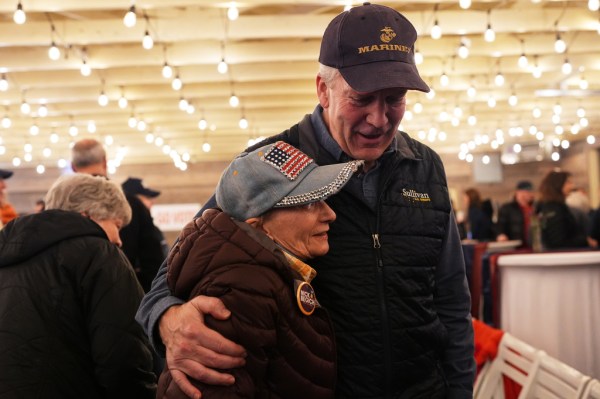
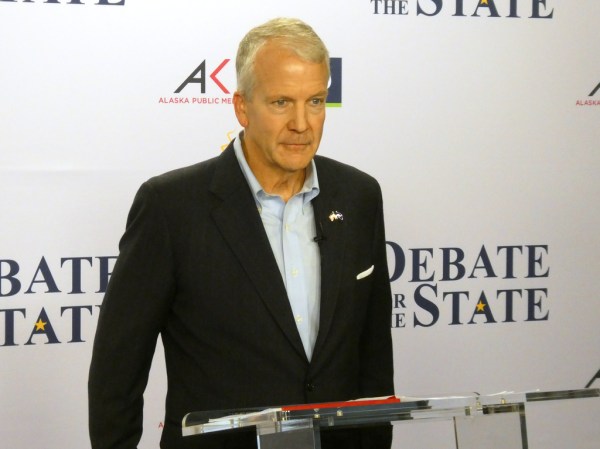
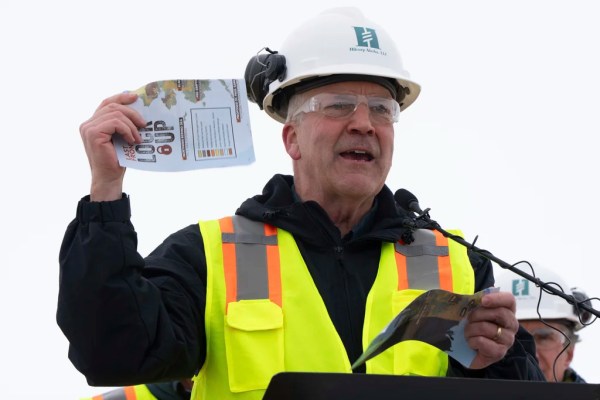
In Alaska, the trick was a name, and voters there today will find two Dan Sullivans in the Senate race. Citing 12 sources, text messages, and documents, the New York Times reported that members of Democrat Mary Peltola’s campaign, her lawyers, and senior aides at the Democratic Senatorial Campaign Committee helped push the second one, retired teacher Dan J. Sullivan Jr., to run against incumbent Sen. Dan S. Sullivan (R-AK). Federal grand jury subpoenas followed. Peltola, the Democrats, and Sullivan Jr. all deny it.
The same funding network connects several of these races. The PAC on Pennsylvania’s airwaves, Independent Candidates Action, has also backed Osborn and independents in Montana, Alaska, and Wisconsin. The Democratic National Committee and allied groups are “quietly supporting” the approach, the Associated Press reported.
Nebraska Democratic chair Jane Kleeb, a DNC vice chair, says honesty is the test. “We were very honest with voters,” she told NPR.
Not every Democrat agrees. “We’re the party of truth and honesty and integrity, but we’re playing these stupid political games?” strategist Mike Ceraso asked.
WHY DETROIT HOLDS THE KEY TO MICHIGAN’S SENATE SEAT
The Whiskey rebels distrusted the power exercised over their livelihoods by a distant government. Today’s voters have their own reasons to ask who is seeking power over them and whose interests those candidates would serve.
People in Washington and Greene counties have spent two centuries learning what lies beneath the ground before trusting what’s built on top of it. Today, they are being asked to read a ballot the same way. When they step into the booth, the party that lost them is there, too, under another name.