

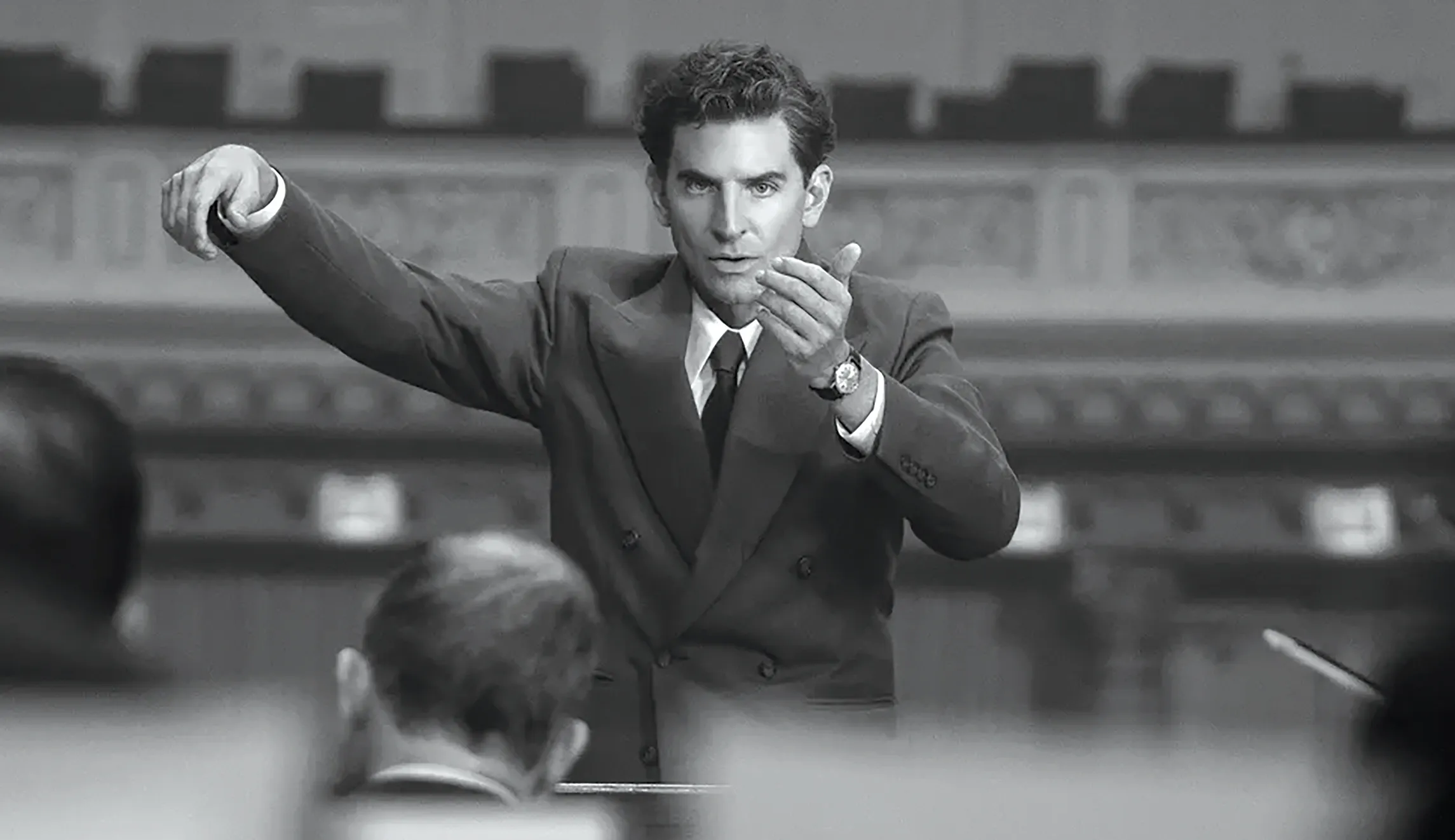
Alex Lewis, Liam Neeson’s latest vigilante antihero persona, faces a predicament in Memory, directed by Martin Campbell and written by Dario Scardapane. Lewis is an American assassin for hire tasked with carrying out two killings. He also has Alzheimer’s disease. His dementia is in an early enough stage that he can still function in the real world, and he does not yet need to resort to escaping to an imaginary reality. He does, though, need to make sure that he has certain things written down, especially critical information concerning his assassination contracts.
We have seen amnesiac assassins before (The Bourne Identity) and plenty of movies about Alzheimer’s, such as Iris (2001), The Savages (2007), Away From Her (2007), and The Father (2020), which won Anthony Hopkins his second Oscar. We have also had movies featuring Guy Pearce, oddly enough, about men suffering from memory loss using techniques similar to those used by Lewis in Memory in order to try to help himself remember things (Christopher Nolan’s breakthrough 2000 film Memento). What makes those films so memorable is precisely what is so lacking in Memory and what therefore makes it so instantaneously forgettable — the creation of compelling characters, the crafting of intriguing, original stories, and the serious commitment on behalf of the filmmakers to entertain and perhaps even inspire their audience, or at the very least not to bore them.
Stay informed.Stay ahead.
Join Washington Examiner for unlimited access to the news, analysis, and commentary that matter most.
Already a member? Log in
