

Every election cycle, we’re treated to a spate of articles about the need for a third party, like this one from Matt Miller, which typically trigger responses like this one from Chris Cillizza about why a third-party candidacy isn’t politically feasible. But few articles recognize a more basic problem with such a proposition: even if a third-party candidate could get elected, it would be nearly impossible for that person to get anything accomplished as president.
The reason why is that the most effective tool that a president has to get his agenda through Congress is to appeal to the loyalty of members of his own party, in part because their political fortunes are tied together. Maybe, in cases where an independent president is immensely popular, or the legislation he’s pushing has overwhelming public support, he’d be able to get some minor things passed. But on the biggest and most controversial issues of the day, such as reforming entitlements, reining in spending, reforming the tax code, and addressing health care inflation, it’s hard to see many lawmakers taking tough votes for a third-party president.
Recommended Stories


Just look back to the health care vote, as an example. Polls showed that the plan was unpopular and Congressional Democrats were under fire. Because Republicans were universally opposed to the idea, President Obama was only able to pass it with exclusive Democratic support. A big part of the pitch was that if the bill went down in flames, it would be seen as an epic defeat for Obama, which in turn would hurt Democrats in the midterms. Obviously, the bill’s passage ended up hurting Democrats in the end, but the broader point is that it’s hard to see how something that controversial would pass without a sense of party loyalty.
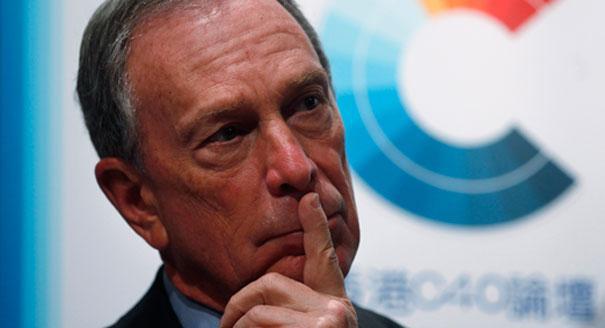
New York City Mayor Michael Bloomberg, often floated as a possible independent presidential candidate despite the fact that he has repeatedly shot down the idea, revealed his ignorance of how Congress works in an interview on “Meet the Press” this weekend. While Bloomberg rejected Obama’s tax proposal targeting higher income Americans, he said he still thought tax increases were necessary. He argued:
Just so we’re clear, Republicans say they’re against any tax increases, and Democrats say they’re against tax increases for people earning under $200,000. So Bloomberg thinks the only way to get a tax bill through Congress is to raise taxes on both of these groups?
In the future, when columnists make a case for a third party, I’d like to see them explain how it would actually work, even if their favored independent candidate were elected.
