

A new study appears to show COVID-19 antibodies were already circulating by September 2019 in Italy, well before the first-known case of the virus, with widespread transmission already present by February 2020 in the country.
“Only have the abstract on this but WOWOWOW: widespread #sarsvov2 antibodies found in Italians as early as September 2019, with 30% positive tests by February 2020,” said former New York Times reporter Alex Berenson on Twitter. “This seems very, very high but if true is a step to completely rewriting the history of the pandemic.”
Recommended Stories


Only have the abstract on this but WOWOWOW: widespread #sarscov2 antibodies found in Italians as early as September 2019, with 30% positive tests by February 2020. This seems very, very high but if true is a step to completely rewriting the history of the pandemic… pic.twitter.com/fOlvQjEgNL
— Alex Berenson (@AlexBerenson) November 14, 2020
The study notes that there has yet to be any research on the true onset of the pandemic causing coronavirus, but in screenings of blood samples from 959 asymptomatic patients that were enrolled in a lung cancer screening trial in Italy, 14% showed “specific antibodies” as early as September 2019. By the second week of February 2020, close to 30% of patients had already screened positive for the antibodies.
“This study shows an unexpected very early circulation of SARS-CoV-2 among asymptomatic individuals in Italy several months before the first patient was identified, and clarified the onset and spread of the coronavirus disease 2019 (COVID-19) pandemic,” the study’s abstract reads. “Finding SARS-CoV-2 antibodies in asymptomatic people before the COVID-19 outbreak in Italy may reshape the history of pandemic.”
The first human cases of COVID-19 were first reported in Wuhan, China, in December 2019. Italy was the first European country to see widespread reported cases of the virus but did not report its first confirmed case until Jan. 31.
“This finding raises all kinds of questions and virologists all over the world need to be checking samples from 2019 and even earlier,” Berenson said on Twitter. “If it’s confirmed, we have to ask: how could #sarscov2 have been circulating widely worldwide for months without causing ANY excess mortality?”
This finding raises all kinds of questions and virologists all over the world need to be checking samples from 2019 and even earlier. If it’s confirmed, we have to ask: how could #sarscov2 have been circulating widely worldwide for months without causing ANY excess mortality?
— Alex Berenson (@AlexBerenson) November 14, 2020
Berenson goes on to speculate about a few possibilities, noting that neither explanation would look good for China.
“On first review, two explanations come to mind, neither great for China,” Berenson said. “The first is that this version of SarsCov2 was less dangerous than the one that mysteriously appeared in Wuhan… the other is the virus is the same but that the chaos in Wuhan altered our view of it.”
On first review, two explanations come to mind, neither great for China: the first is that this version of SarsCov2 was less dangerous than the one that mysteriously appeared in Wuhan… the other is the virus is the same but that the chaos in Wuhan altered our view of it.
— Alex Berenson (@AlexBerenson) November 14, 2020
The research comes on the heels of a study published last week that suggests coronavirus antibodies and T-cells that could help fight off the virus may be more widespread than previously reported.
Sen. Rand Paul, a stark critic of the government’s lockdown response, has argued for months that widespread immunity should give policymakers pause when considering future economic shutdowns.
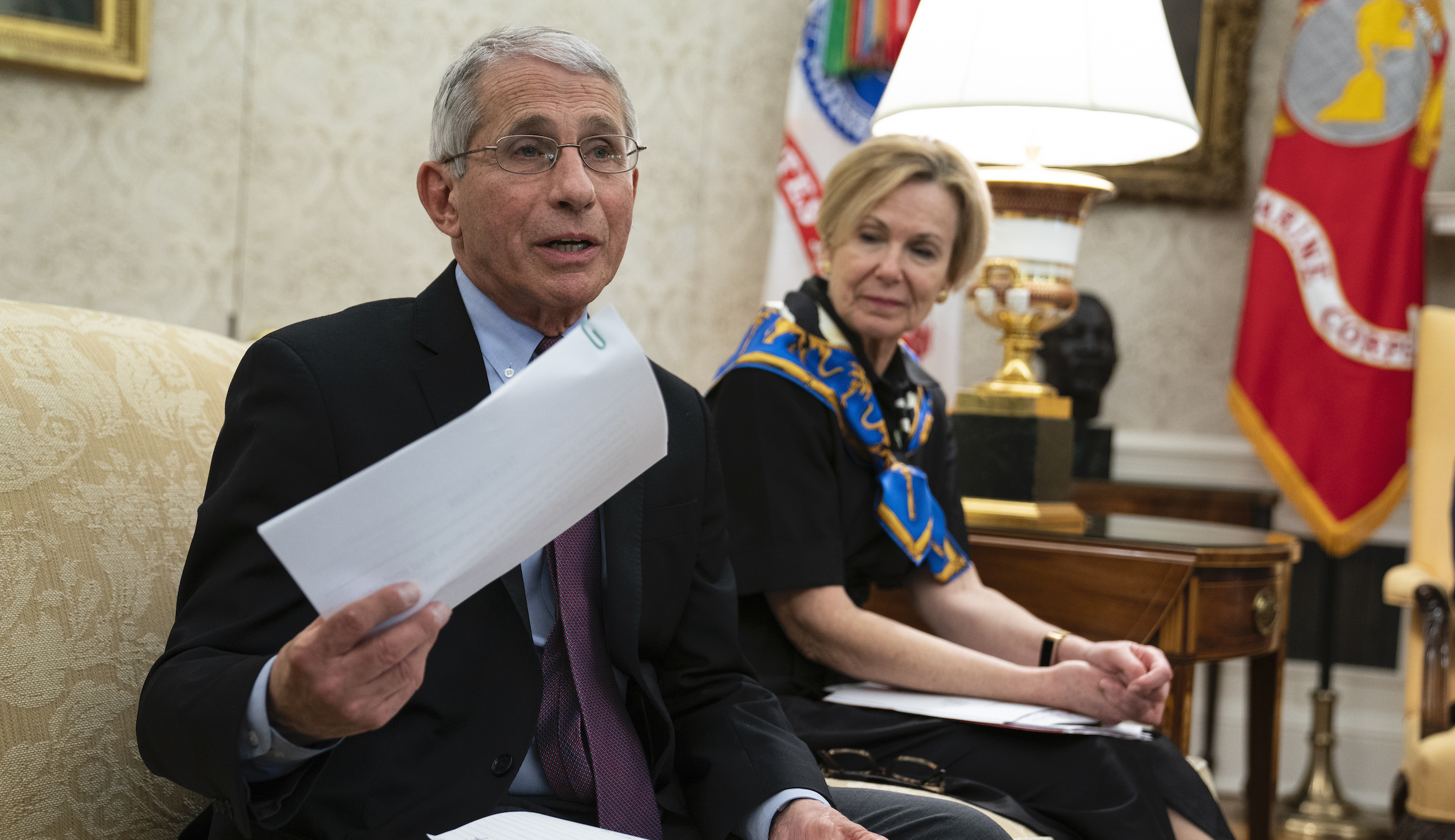
“This is precisely the science Dr. Fauci was denying in our last encounter,” the Kentucky Republican said in reaction to the research last week. “It also helps explain why herd immunity may come at a much lower than expected threshold.”
Many areas of the United States have been experiencing a “third wave” of coronavirus cases in recent weeks, prompting new lockdown measures in several states and updated guidance from others.
President Trump has resisted calls for a national lockdown, instead asking Americans to remain “vigilant” as the case numbers grow.
“Hopefully, whatever happens in the future, who knows which administration it will be, I guess time will tell, but I can tell you this administration will not go to a lockdown,” Trump said.
