

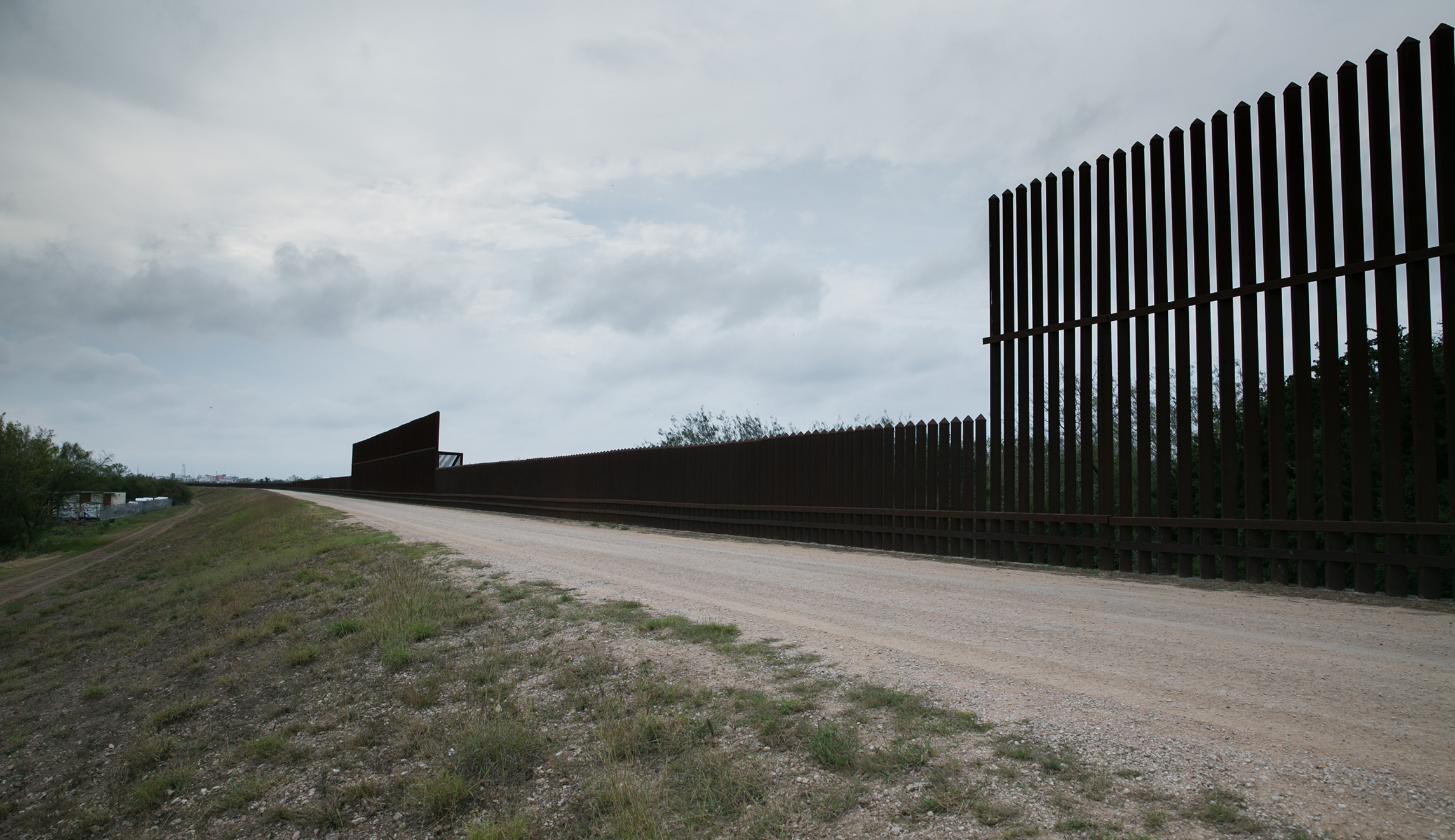
Mission, Texas— The Rio Grande Valley on the southern border here in southernmost Texas sees more apprehensions of illegal immigrants than any other sector in the country. John Miller, the division’s chief of law enforcement, knows what this part of the border needs, and he doesn’t care if you want to call it a “wall” or anything else.
Miller on Friday took me on a tour of a portion of the border he oversees, of which only pieces here and there are enforced by 25-foot-high “wall”— a mix of concrete and rows of thick steel bollard that often prop up against levees to help with flooding from the Rio Grande.
Recommended Stories


“This is the busiest sector in the country for illegal alien apprehensions and the busiest place in the country for marijuana seizures,” he said, adding that 97 percent of the illegal crossings are in the areas where there is no border wall.
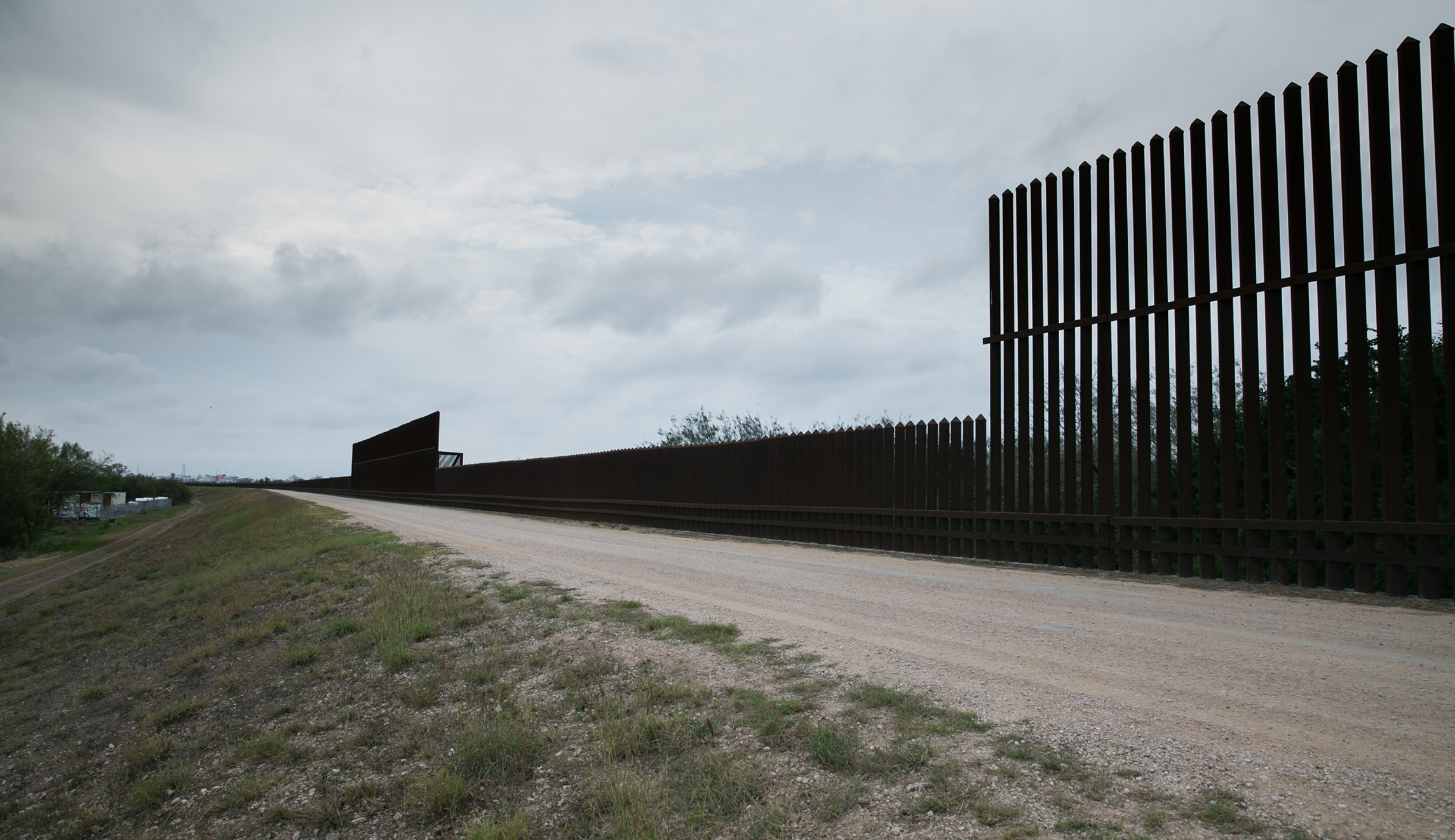
In fiscal year 2018, the Rio Grande Valley saw more than 162,000 apprehensions of illegal immigrants making their way the short distance across the river and into southwest Texas, according to U.S. Customs and Border Protection. The sector with the second highest number was Tucson, Ariz., with 52,000, less than a third as many.
The Valley covers roughly 320 miles of river. At the eastern end, towards the Gulf of Mexico, nearly all of it is covered by border barrier. But further west, right before the river turns north toward Laredo, a smorgasbord of private property, federal wildlife sanctuaries and high patches of thick bushes and shrubs is all that separates metropolitan McAllen or Mission from anyone in Mexico who swims or floats across the narrow river.
President Trump is demanding $5.7 billion in funding for “wall” barrier that could potentially go to the Valley but even congressional Democrats who have indicated mild support for some form of physical barrier say they’re caught up on the terminology.
“Well, first of all, I don’t think [Trump] said some kind of new barrier; I think he said ‘the wall,’” freshman Rep. Katie Hill, D-Calif., said Monday on CNN. “And I think that’s a really important distinction because, again, the connotation around the wall has so much to do with the hateful rhetoric that he’s been spewing for at this point years.”
During my time with Miller, the Valley’s division chief, he repeatedly referred to the pieces of “wall” that he says work in his sector. But he said it would make no difference if you were to call it something else.
“I’m talking about the physical barrier that stops and slows down people from illegal entry into the country,” he told me. “And in this area of the border down here, it’s steel bollard.”
Trump has offered flexibility on his own definition of “wall.” On Twitter last month, he referred to “artistically designed steel slats.” He has also said a wall could be concrete or steel, materials that are were in use on the border well before he came into office.
Morris said agents all over the southwest refer to “walls” on their barriers but that there is no single type of wall.
“If you go to San Diego, theirs looks different than Yuma, whose looks different than El Paso,” he said. “So, in general, do we all use the term wall? We do.”
His main point: A structure of some form is necessary.
“When a lot of my friends or representatives or folks call me, ‘John, do you guys really need a 30-foot concrete — because they’re picturing a 30 foot concrete wall — I’m like, well, that would probably work but that’s not what we have down here, and what we have is working,” he said.
