

If we want to support and expand manufacturing and high-tech jobs in the United States, policymakers must create the conditions that address declining foreign investment numbers.
The United Nations Conference on Trade and Development recently reported that companies will slash overseas investments by 40%. As the biggest recipient of these investments, the U.S. should be most worried about that reduction, especially because foreign-owned companies account for a significant amount of new high-tech manufacturing jobs. To compete for this investment, the U.S. must ensure companies have access to efficient global supply chains and skilled labor, particularly in high-tech fields for which knowledge is often extremely scarce.
Recommended Stories



To speed our economic recovery, confidence and certainty are essential. We need to reconsider sweeping tariffs and restrictive employment-based visa policies that stifle the productive investments in the U.S. made by foreign-owned companies.
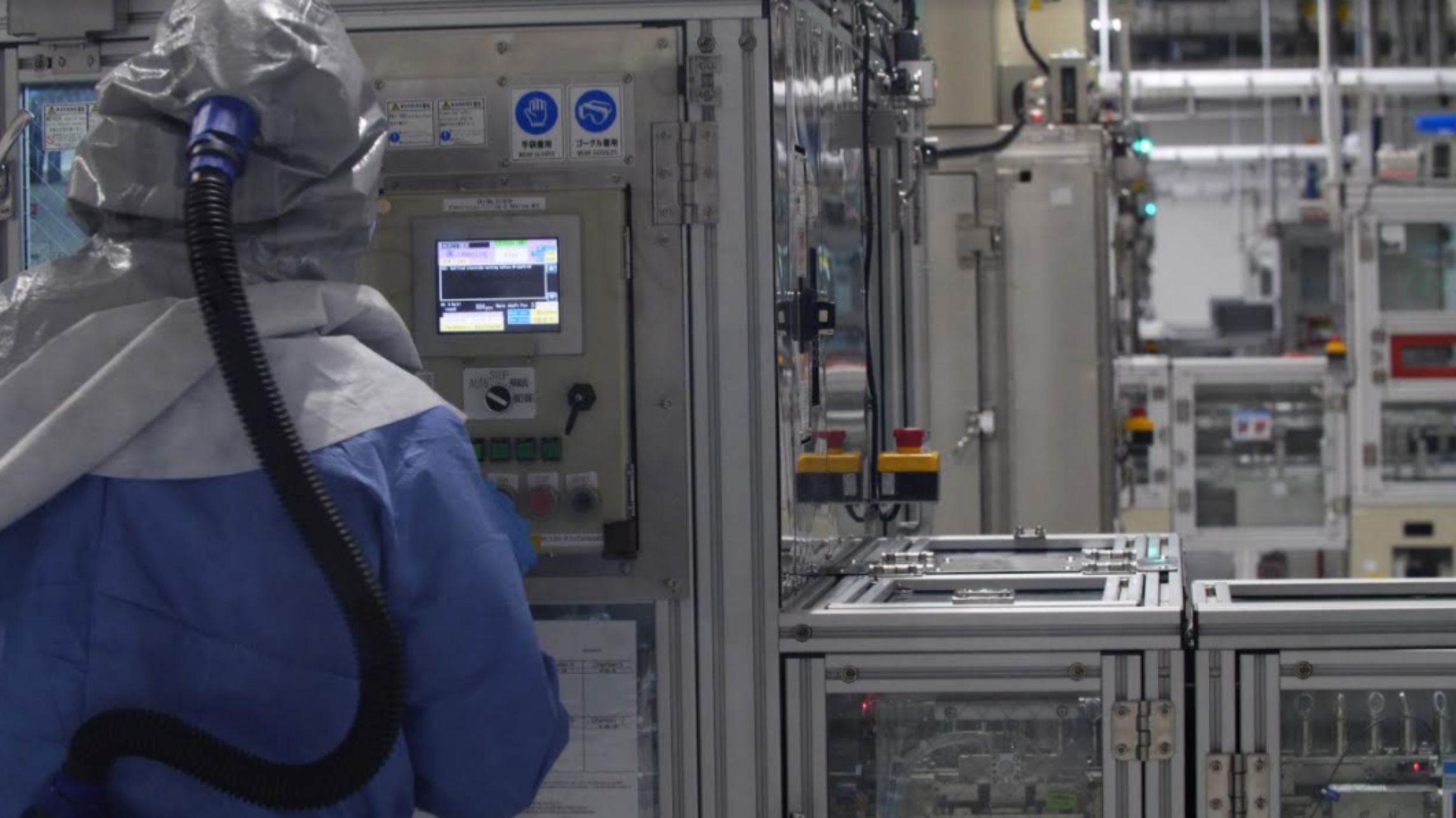
At just one of our high-tech manufacturing facilities in the U.S., Panasonic has invested more than $1.6 billion and employs highly skilled technicians, engineers, and chemists who make the world’s most advanced lithium-ion batteries at the world’s largest EV battery facility located in western Nevada. To make these batteries, we also require specific inputs that are currently not available in the U.S. yet still face tariffs.
U.S. and retaliatory tariffs currently affect over $460 billion of imports and exports. Based on 2019 import levels, they are increasing consumer costs by roughly $57 billion annually, according to the American Action Forum.
This means reduced wages, loss of high-tech jobs, and a deceleration of innovations we need to move the country forward and establish the “next normal.”
Global companies also depend on temporary foreign employees who spend time here teaching newly hired U.S. employees, helping to develop high-tech skills here in the U.S. At Panasonic, these are temporary, knowledge-building roles that lead to the creation of new jobs for the public. Each investment in skills is buttressed by significant investments in plant and infrastructure, investments that are at risk if we cannot evolve the technology and skills necessary to compete because of restrictive visa policies.
Investment-ready conditions are an economic necessity, but for foreign-owned companies, there’s an added dynamic in which regional subsidiaries compete for finite resources of the parent company. Local market conditions such as tariffs and the free movement of talent and ideas can have an outsize impact on investment decisions. The recent tax reform helped significantly, but more work needs to be done.
Now more than ever, growing U.S. high-tech manufacturing and jobs as well as increasing the nation’s competitiveness should be on everyone’s agenda. To accomplish this goal, we need policies that welcome and encourage investments from global companies at this critical time.
Michael Moskowitz is chairman and CEO of Panasonic Corporation of North America.
