


America’s on-the-ground decision-makers have their hands tied. Teachers lack the authority to run their classrooms, and their superintendents lack the authority to manage them. It takes forever to build anything, thanks to interminable permit requirements and special-interest objections. Doctors are exhausted from never-ending administrative burdens and the threat of lawsuits. People, in general, feel helpless and despondent, whether they’re cowering from the censors in HR or watching their cities descend into anarchy.
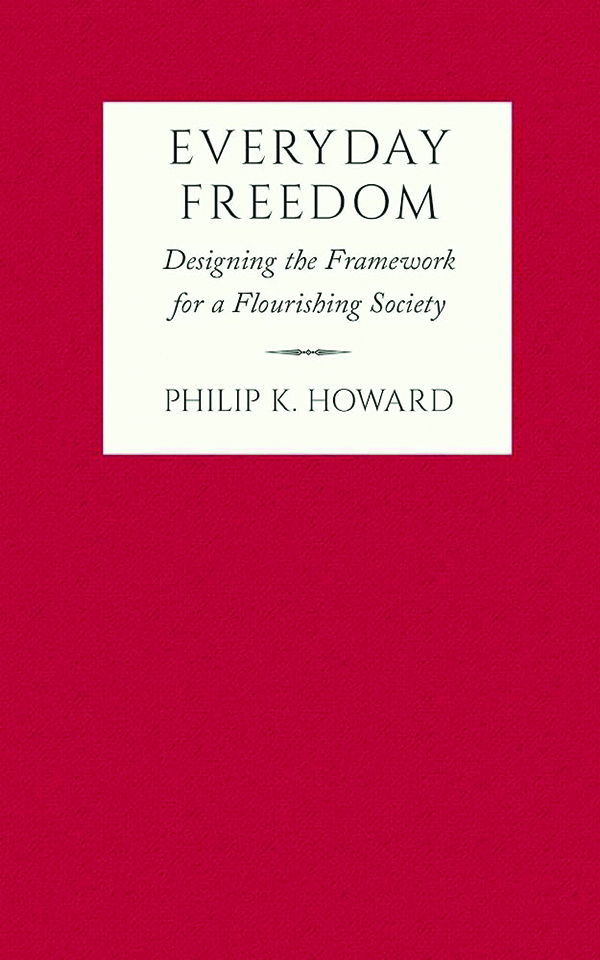
This is the picture painted in Philip K. Howard’s Everyday Freedom, a fusillade against the current state of law. Howard believes these actors need greater authority to use their own judgment, coupled with norms of reasonableness and subject to oversight through clear lines of authority, to solve problems — and that this type of freedom, which he dubs “everyday freedom” or the “freedom to do what’s right,” has disappeared as individual rights, written regulations, and legal liability have expanded.
Stay informed.Stay ahead.
Join Washington Examiner for unlimited access to the news, analysis, and commentary that matter most.
Already a member? Log in
