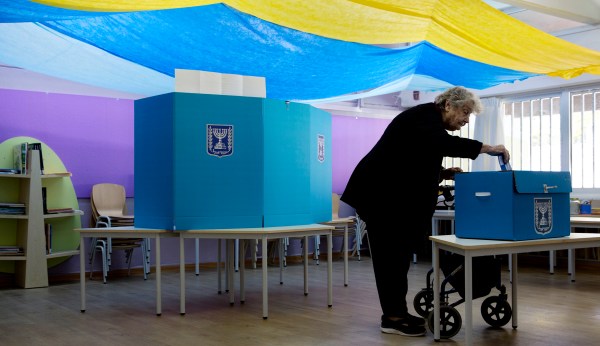
With nearly all the votes now counted, it’s safe to say that Israeli Prime Minister Benjamin Netanyahu has been reelected. For those catching up, here are five takeaways from Tuesday’s Israeli election:
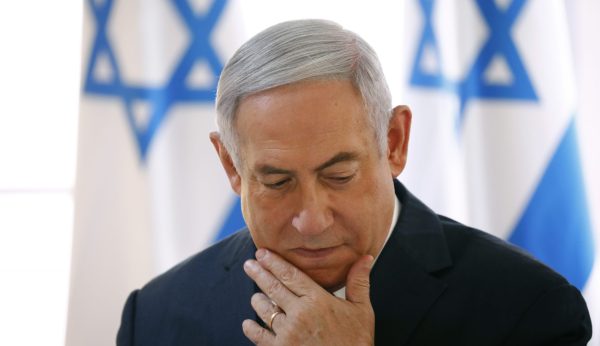
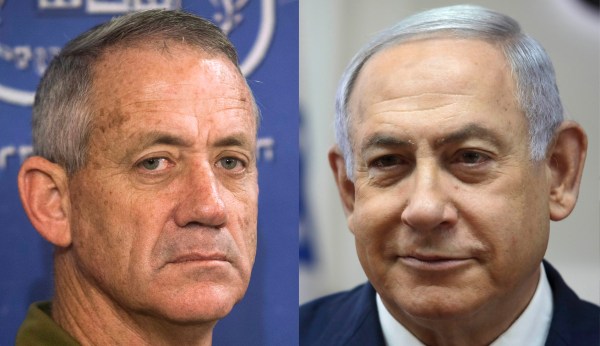
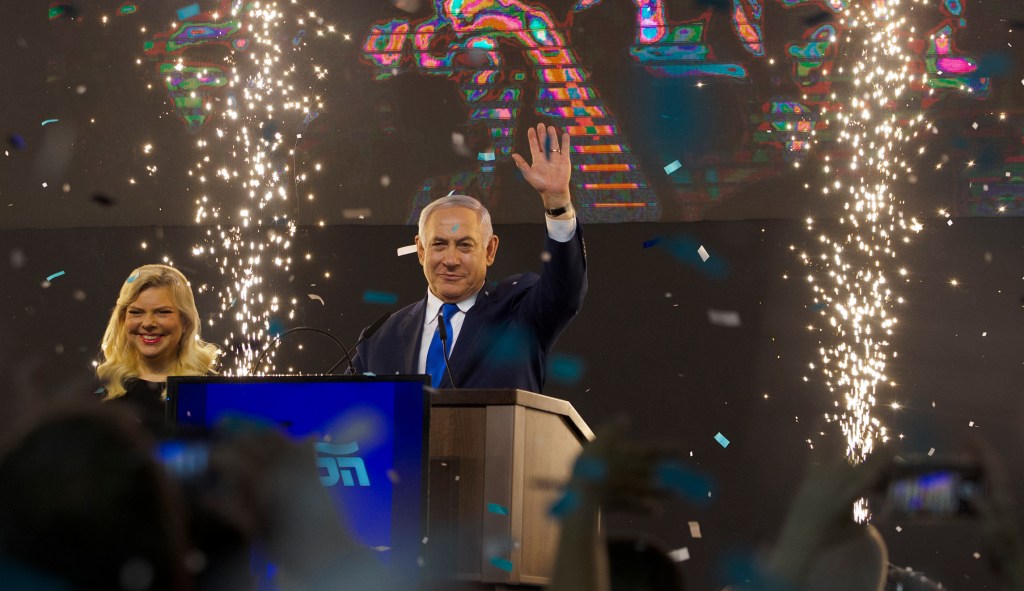
Bibi Survives. This of course is the biggest takeaway, and love him or hate him, it’s a testament to his incredible resilience. Netanyahu was initially elected back in 1996, but was driven into the political wilderness by 1999. Yet a decade after his failed premiership, he was back in power, and after a decade as the nation’s leader, he’s about to start a record fifth term. This was far from a guarantee. Facing indictment for corruption and a strong challenge from a newly formed center-left alliance, he found himself in the fight of his political life. With 95% of the vote counted, his Likud party tied with the center-left Blue and White Party with 35 seats apiece. However, the right-wing bloc of parties gained a total of 65 seats, compared to 55 for the left-wing bloc, meaning Netanyahu is in a much stronger position to form a government, which requires a majority of 61 in the nation’s parliament, the Knesset. As things stand, Netanyahu has been prime minister for nearly 20% of Israel’s existence.