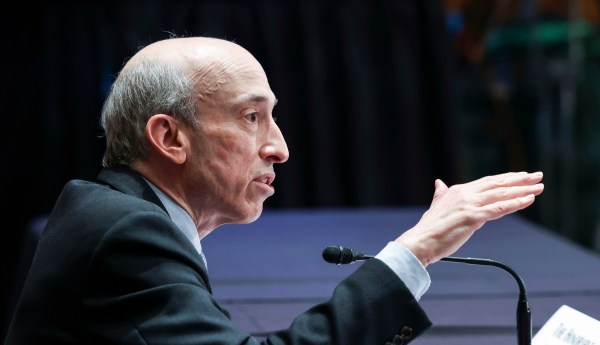
The Securities and Exchange Commission has proposed rescinding rules imposed under the Biden administration that mandate that public companies report their carbon emissions and climate change-related risks.
The commission described the climate disclosure rules as “unnecessary,” claiming the dormant rules exceed the scope of the agency’s statutory authority and impose significant costs on public companies and their shareholders.
Recommended Stories

“SEC disclosure obligations should comply with the Commission’s statutory authority, be guided by materiality as the North Star, avoid the practical effect of dictating corporate behavior, and be imposed only when the expected benefits justify the likely costs and burdens,” SEC Chairman Paul Atkins said in a statement.
The SEC has also said the rules are “inconsistent with a registrant-specific, materiality-based approach” for disclosures, stray beyond policy concerns of federal security laws, and are “at odds” with the agency’s policy objectives of facilitating capital formation and promoting public company status.
It marks the latest effort by the Trump administration to roll back climate change-related policies and regulations.
President Donald Trump has dismissed concerns regarding the risks of climate change, calling it the “greatest con job” in remarks to the United Nations last year.
The climate disclosure rules were first approved under the Biden administration in March 2024, creating guidelines for how and which companies report to investors on how their operations affect climate change. This includes reporting greenhouse gas emissions.
SEC VOTES TO APPROVE MAJOR CLIMATE DISCLOSURE RULE, SCALED DOWN FROM EARLIER DRAFT
The final rule had been significantly watered down from the original proposal, not requiring companies to disclose emissions generated by their customers and supplies.
Still, it quickly faced legal challenges from Republican state officials and industry groups. Amid the litigation, the SEC moved to stay the rule just one month after it was approved. It has not been in effect since.