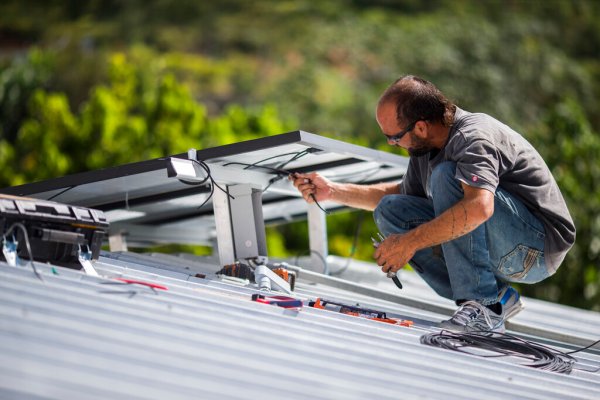
Updated green codes would add $14,000 to the cost of new homes, Energy Department officials said Friday, adding a significant burden to the already sky-high cost of housing.
A new analysis released by the DOE found that the adoption of the 2024 International Energy Conservation Code would increase residential construction costs by more than $9.2 billion annually compared to the 2006 code levels.
Recommended Stories
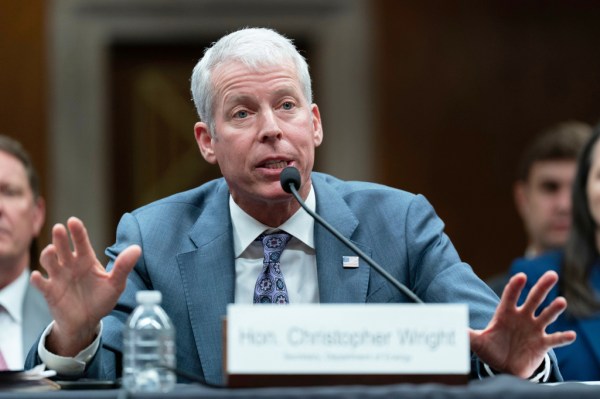
“American families should not be forced to pay more for a home because of nonsensical energy-related mandates,” Energy Secretary Chris Wright said in a press release.
“For too long, climate activists have pushed regulations that increase housing costs, reduce consumer choice, and make it harder for Americans to build and own a home,” Wright continued. “Thankfully, President Trump will continue fighting for the American people so they can enjoy affordable energy access and the ability to buy the home they desire with the features they choose.”
The IECC is a model building code that establishes requirements for energy efficiency in residential and commercial buildings. It is developed and updated by the International Code Council, a nonprofit organization in Washington. It sets standards for new construction, including for walls, lighting, windows, doors, ducts, and air conditioning.
Under the Energy Conservation and Production Act, the DOE is required to consider new energy efficiency codes published by IECC and to update federal building codes if needed. States are also required to consider adopting some variation of the codes.
If states choose to update their energy codes to the 2024 IECC, construction costs increase as much as $14,000 for a single-family home.
Most states have not yet adopted the latest version of the code. The vast majority of states use older versions or their own codes. A handful of states don’t have codes.
The DOE asked the ICC in February to limit the scope of the green codes. It called on the organization to steer clear of recommending specific fuel types, standards for appliances or other equipment, or gas bans.
TOP HOUSE DEMOCRAT CALLS FOR MORATORIUM ON DATA CENTERS
The Trump administration has long opposed or rolled back energy efficiency standards for residential and commercial buildings, arguing that they increase costs for homeowners and consumers.
For instance, the Department of Housing and Urban Development and the Agriculture Department repealed a Biden administration policy in April that would have required federally backed mortgages to adhere to updated energy efficiency codes, requirements that homebuilders claimed add more than $20,000 to the cost of homes.