In 1948, John Steinbeck and photographer Robert Capa embarked on a carefully choreographed tour of the Soviet Union. The resulting book, A Russian Journal, was meant to humanize the Soviet people to American readers spooked by mounting Cold War tensions. Steinbeck and Capa made for a memorable pair, drinking their way through stuffy official functions, feuding with a translator-cum-minder, and barely surviving several hungover flights on the Soviet Union’s primitive domestic air network. The book they produced, however, was compromised by the obvious constraints imposed by Soviet authorities, Steinbeck’s every interaction with “real” Russians, Ukrainians, and Georgians overcast by Stalin’s bleak shadow.
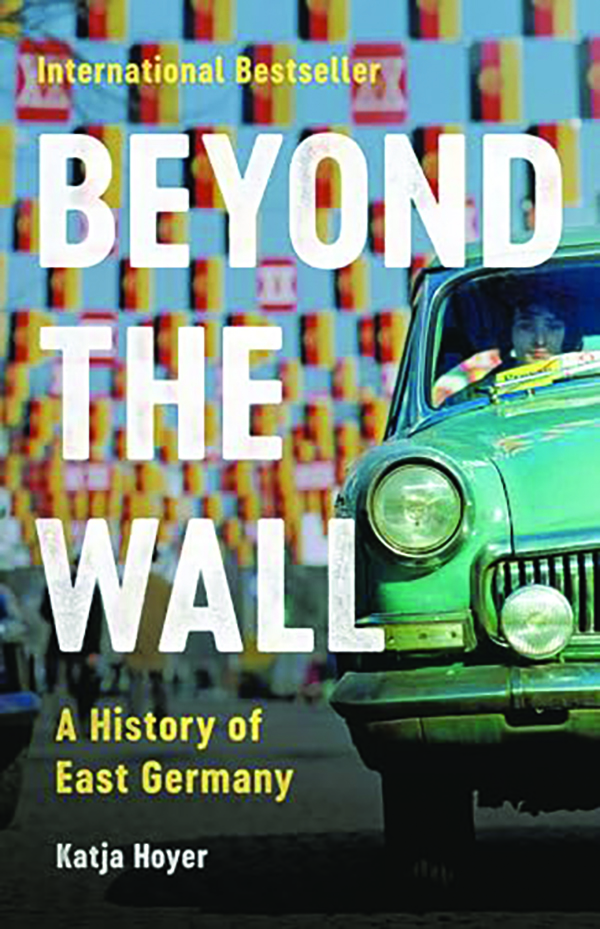
This is usually the story with what journalists call junkets to dictatorships, which are happy to host the sections of the foreign press who would be interested in coming but not happy to let them see what they please. Given these constraints, is it possible to write sympathetically but honestly about normal people in a carefully monitored, heavily regimented, and thoroughly politicized society? In Beyond the Wall, a new history of life in East Germany, the Anglo-German academic Katja Hoyer has done just that. In the process, she inadvertently highlights the distinctly East German character of certain modern ideological fads.