

The Supreme Court is allowing a defamation lawsuit brought by a prominent climate scientist against a free-market think tank and a conservative publication to move forward.
On Monday, the Supreme Court denied a petition by the Competitive Enterprise Institute and National Review magazine to rehear and dismiss the defamation lawsuit brought by well-known climate scientist Michael Mann. The Competitive Enterprise Institute and National Review have been fighting for years to dismiss the case before it goes to trial, but the Supreme Court’s denial means the case will move forward in D.C. district court.
Recommended Stories


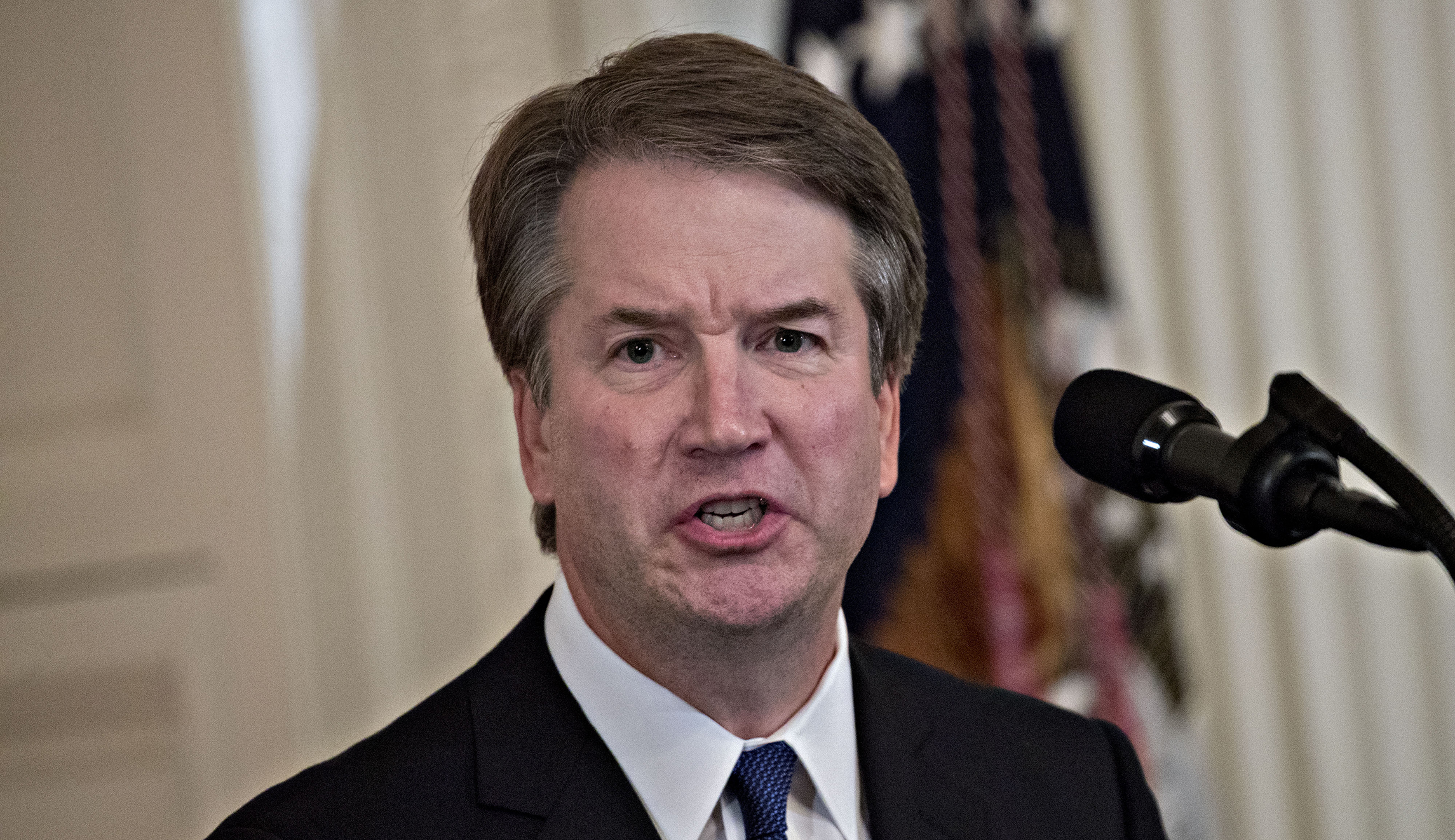
The Supreme Court rejected the petition without comment. But Justice Samuel Alito, a conservative, dissented, arguing that the case addresses critical freedom of speech and freedom of the press issues.
“The petition in this case presents questions that go to the very heart of the constitutional guarantee of freedom of speech and freedom of the press: the protection afforded to journalists and others who use harsh language in criticizing opposing advocacy on one of the most important public issues of the day,” Alito wrote in his dissent.
“If the Court is serious about protecting freedom of expression, we should grant review,” he added.
The lawsuit stems from a pair of 2012 columns in which the Competitive Enterprise Institute and National Review accused Mann, the director of Pennsylvania State University’s Earth System Science Center, of manipulating scientific data for his famous “hockey stick graph” that shows spiking global temperature increases in the last century. Parts of those columns referenced the then-unraveling child sexual abuse scandal involving Jerry Sandusky, the university’s former assistant football coach.
Alito, in his dissent, raised concerns that the jury in the lawsuit would have to weigh in on “highly technical” scientific questions to determine whether the blog posts’ statements about Mann were “factually false.”
He also suggested “the controversial nature of the whole subject of climate change exacerbates the risk that the jurors’ determination will be colored by their preconceptions on the matter.”
The Competitive Enterprise Institute is disappointed in the Supreme Court’s decision, but remains confident it will win in the trial court, Sam Kazman, the group’s general counsel, said in a statement.
He cited Alito’s dissent, noting it described “the importance of the First Amendment issues at stake, especially regarding the freedom to express opinions on controversial issues.”
